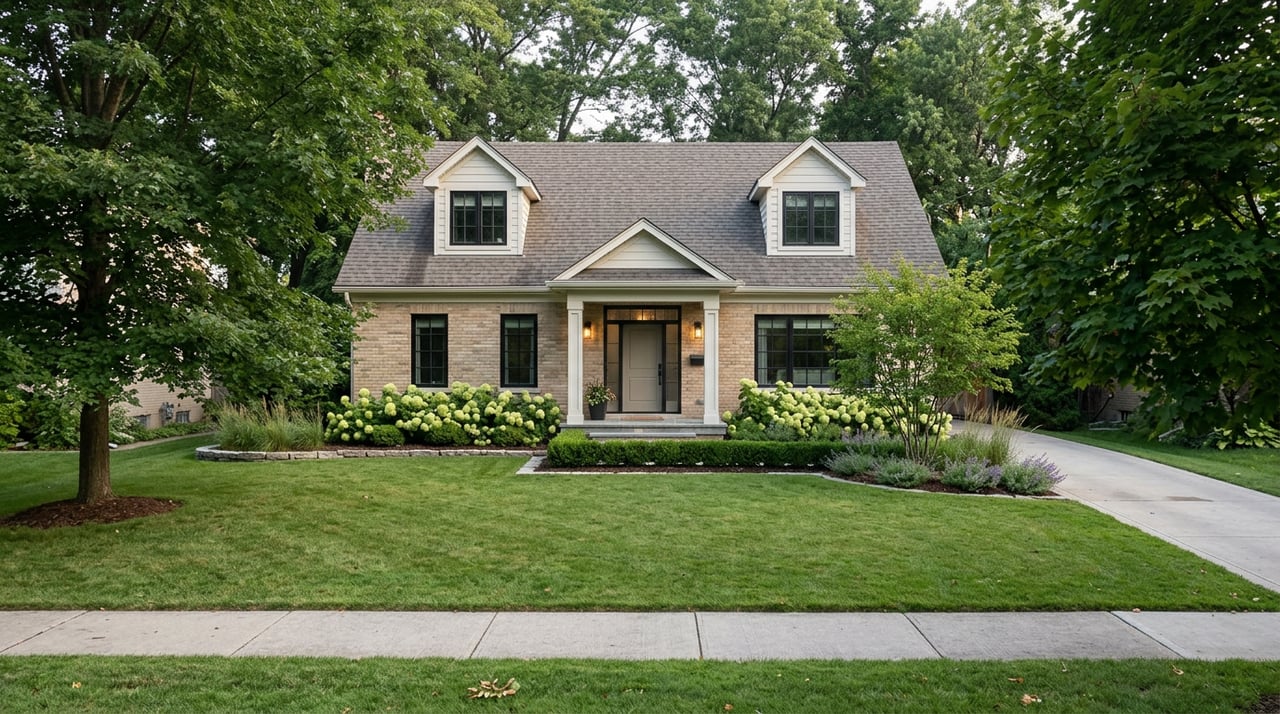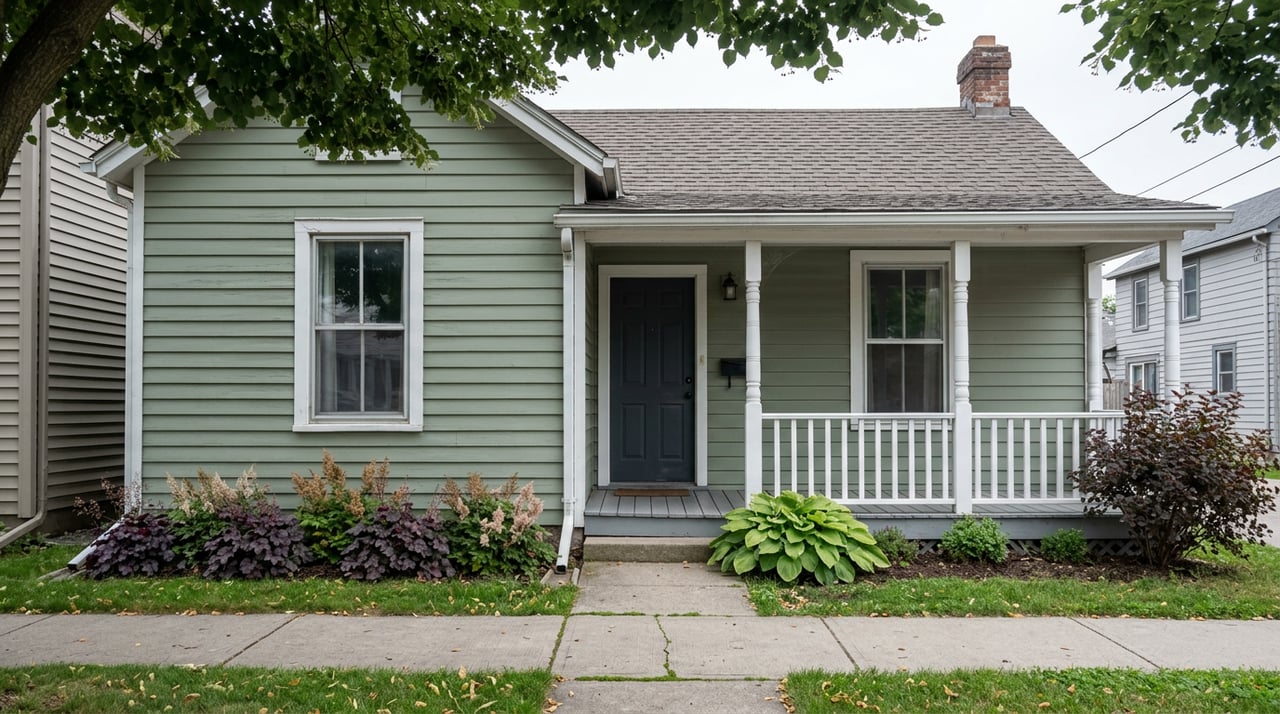
"I think he's the third delegate now that's told us he's lost insurance because of a heritage designation."
That's Guelph Councillor Dan Gibson, describing what he was hearing from residents last fall as council worked through the city's heritage conservation district plans. It's the kind of line that sticks with people, and it's likely part of why so many homeowners in St. Patrick's Ward are treating next month's council decision like a countdown to a coverage problem. The Ward West Heritage Conservation District plan is scheduled to come back to Guelph council in September for what could be a final vote, and if you own or are considering buying a century home inside its boundary, that date probably feels like the thing to worry about.
It isn't, and the record actually says so. The insurance risk in the Ward was never really about the designation. It's about what's behind the walls of these houses, and that risk exists whether or not council votes yes in September.
What's actually up for a vote
The Ward West Heritage Conservation District covers the oldest part of the neighbourhood locals still call The Ward, the area shaped by the Speed and Eramosa Rivers, with St. George's Hill rising to the north. City staff and the consulting team at ASI have marked the boundary using landmarks that will be familiar to anyone who has walked the area: Arthur Street, Elizabeth Street, The 100 Steps, the Guelph Junction Railway Spur, and the Covered Bridge.
The city has been working toward this since 2023, when council directed staff to expedite the study after the province's More Homes Built Faster Act forced Guelph to strip roughly 80 percent of its heritage-listed properties of their protections by January 1, 2025. A heritage conservation district was the tool left standing that could actually hold. Years of open houses, walking tours, and consultation later, a draft plan went to council in July 2026. No decision was made that night. A revised version is set to come back in September, which puts a real deadline on a process that's been building for three years.
The quote that started the worry, and the research that answered it
Gibson's comment about lost insurance wasn't dismissed at that meeting, but it wasn't the last word either. Councillor Leanne Caron, sitting on the same council, pushed back with her own homework: the conditions that actually trigger mortgage or insurance complications aren't tied to heritage status or even to a home's age on paper. They're tied to specific systems, most often old wiring or outdated heating.
That's not just one councillor's read. Ontario's Ministry of Citizenship and Multiculturalism and the Insurance Bureau of Canada have both taken the position, cited on the City of Toronto's own heritage planning pages, that insurance premiums shouldn't rise because of municipal heritage designation. Age and condition can absolutely affect what an insurer will quote you, but that's a property-condition question, not a heritage-status one. City staff working on the Ward plan have made a version of the same point directly, noting the plan is meant to reassure owners and their insurers that a fire or partial loss won't force a like-for-like historic rebuild.
Put plainly, if a Ward homeowner lost coverage or got hit with a higher premium, the paperwork behind that decision almost certainly cited the same things it would cite in a home three towns over with no heritage plan anywhere near it.
What insurers are actually pricing
The Ward's housing stock makes this easy to trace. Many of the properties expected to be classified as contributing to the district were built between 1880 and 1930, decades before grounded, three-prong wiring became standard. Knob and tube wiring, common in homes built before the 1950s, has no ground wire to safely carry off excess current if something goes wrong, and insurers treat it as a real underwriting variable rather than a formality. Some will decline to write a policy at all until it's inspected or replaced. Others will cover it but ask for a licensed electrician's written report first, and a fair number of Guelph's older homes near downtown are still running on original 100-amp Federal Pioneer or Zinsco panels that need full replacement rather than a simple swap.
None of that changes based on what council decides in September. A Ward property with original wiring is going to face the same electrician conversation and the same insurer questions whether the HCD passes, gets sent back for more revisions, or stalls entirely. As of 2026, local electricians quote roughly $2,500 to $6,000 to bring a Ward-era home from its original 100-amp service up to today's 200-amp standard, according to current Guelph-area contractor estimates, and that's before accounting for any knob and tube still live behind the plaster.
What the plan actually changes once it passes
To be fair to people's worry, a heritage designation does add a layer of process. It just isn't the layer most people picture. The Ward plan sorts properties into contributing and non-contributing categories, and it sorts proposed work into four permit tiers.
| Category | What it covers | Who approves it |
|---|---|---|
| Exempt | Routine maintenance and repairs that don't change heritage attributes | No permit needed |
| New construction / demolition permit | Full replacement or teardown of a structure | Standard planning process |
| Minor heritage permit | Rear or side additions to a contributing property, parking pad extensions, an ADU visible from the street | Approved at staff level |
| Major heritage permit | Changes affecting street-facing heritage attributes on a contributing property | Full committee review |
Most of what a typical Ward owner wants to do, adding a rear extension, building a laneway suite, extending a driveway, falls into the minor category and gets signed off by staff rather than debated at council. The plan's own architects have said explicitly that the goal isn't to freeze anything in place, since additions and adaptation are part of what the Ward has always been about.
Before you waive conditions on a Ward property
If you're the one holding an offer right now, the useful checklist has almost nothing to do with the September vote. It looks like this:
- Get a licensed electrician to inspect the panel and any visible wiring, and get it in writing. Verbal walkthroughs won't satisfy an insurer or a lender.
- Call your prospective insurer directly and ask how they underwrite knob and tube or aluminum wiring specifically, before you remove your financing or inspection conditions.
- Check whether the address actually sits inside the mapped Ward West boundary, since not every property in the broader Ward neighbourhood falls within the district study area.
- Ask the seller for any permit history on additions, since that record becomes more relevant once contributing and non-contributing status is formally assigned.
- Budget for the panel and wiring work as part of your offer math, not as a surprise that shows up after closing.
None of this requires waiting for council. It's the same diligence a buyer in Brooklyn and College Hill, Guelph's existing heritage district, would already be doing.
A few common questions
Does anything change for current Ward homeowners before the September vote? Not procedurally. The existing rules apply until council votes, and the plan itself has said it isn't trying to freeze the neighbourhood in the meantime.
Will designation lower resale value? The research here doesn't point that direction. What it points to is added clarity for buyers and insurers about what can and can't be built, which tends to reduce uncertainty rather than value.
What if my Ward home already has knob and tube wiring? Start with an electrician's inspection regardless of where the HCD vote lands. That report is what your insurer and any future buyer's insurer will actually ask for.
If you're weighing a purchase or a sale in the Ward while this plays out, it helps to have someone tracking both the council calendar and the practical side of what these homes need before closing. That's exactly the kind of groundwork the team at Andra Arnold & Associates does for buyers and sellers across Guelph and Wellington County. Contact us and let's talk through what your specific address means for your next move.