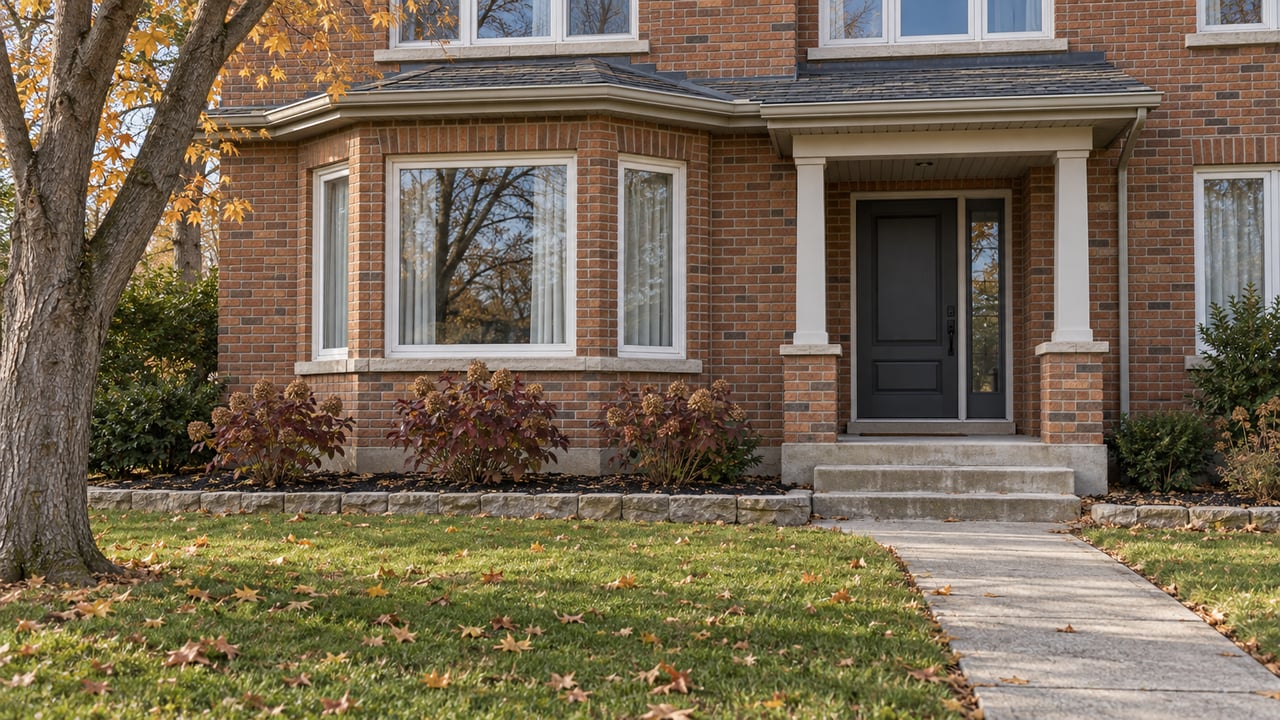
Renovating an Older Home in Guelph: Modern Comfort Meets Historic Charm
There's something special about an older home. Original hardwood floors, detailed woodwork, tall windows, a welcoming front porch, and architectural details that tell a story. They're the kinds of features that give a home personality and are often difficult, if not impossible, to recreate.
Guelph is fortunate to have plenty of these beautiful properties, from century homes in the downtown core and St. George's Park to established neighbourhoods throughout the city. Fergus, Elora, and surrounding Wellington County communities also have their share of historic homes with plenty of character.
But while we love the charm of an older property, we also appreciate a warm house in February, reliable electrical systems, and energy bills that don't make us wince.
The good news? Modernizing an older home doesn't have to mean stripping away everything that makes it special.
With thoughtful planning, homeowners can improve energy efficiency, comfort, and functionality while preserving the original features that make their property unique.
Here's what to consider when renovating an older home in Guelph and Wellington County.
Where Should You Start When Renovating an Older Home?
Before choosing new finishes, replacing windows, or installing a heating system, it's important to understand what your home actually needs.
A good starting point is to create two lists:
What needs improvement? Think cold upstairs bedrooms, drafts, outdated wiring, moisture issues, inadequate insulation, or heating systems that struggle during Ontario winters.
What deserves preservation? Original doors, hardwood floors, decorative plaster, wood trim, staircases, fireplaces, and architectural details that contribute to the home's character.
Both lists should guide your renovation decisions.
An EnerGuide home energy evaluation can also be a helpful starting point. A registered energy advisor can assess insulation, air leakage, and overall energy performance to help identify where improvements may have the greatest impact.
Natural Resources Canada recommends addressing moisture, structural issues, and other maintenance concerns before undertaking major energy upgrades.
You can learn more through Natural Resources Canada's guide to planning energy improvements.
Our advice: Before requesting renovation quotes, make sure contractors understand which original features you want to preserve. Ask how equipment will be installed, where walls may need to be opened, and who will be responsible for restoring the finishes afterward.
Sometimes a slightly more expensive installation is worthwhile if it prevents significant damage to original plaster or woodwork.
Does an Older Home in Guelph Have Heritage Restrictions?
Not necessarily. Just because a home is old, beautiful, or located in a historic neighbourhood doesn't automatically mean it has a formal heritage designation.
However, some properties in Guelph are individually designated under the Ontario Heritage Act, while others are located within heritage conservation districts or included on the City's heritage register.
These distinctions matter when planning renovations.
Depending on the property's status and the work proposed, alterations to certain exterior features, windows, doors, or other heritage attributes may require municipal approval.
Heritage designation doesn't necessarily prevent homeowners from making improvements. It means some changes may need to be reviewed to ensure important architectural features are protected.
Before beginning work, it's worth checking:
- Whether the property is individually designated or located within a heritage conservation district.
- Which architectural features, if any, are protected.
- Whether heritage approval is required for the proposed work.
- Whether building permits or other approvals are necessary.
The City of Guelph's Heritage Planning FAQ is a helpful place to start.
For properties in Fergus, Elora, or elsewhere in Wellington County, contact the municipality responsible for the property, as requirements can differ.
A little research before starting can prevent expensive surprises later.
How Can You Modernize Heating and Cooling in an Older Home?
One of the biggest challenges with older homes is keeping them comfortable year-round.
High ceilings, older insulation, drafty windows, and outdated heating systems can make maintaining a consistent temperature difficult, especially during a Guelph winter.
Fortunately, modern heating and cooling technology offers several options.
Heat Pumps and Ductless Systems
Heat pumps can provide both heating and cooling, and certain systems may be particularly useful for older homes.
For properties without existing ductwork, ductless mini-split systems may allow homeowners to improve comfort without installing extensive new ducts through original ceilings and walls.
However, ductless doesn't mean invisible. Indoor units, outdoor equipment, drainage, and connecting lines still need to be thoughtfully positioned.
A qualified HVAC contractor should assess the home's heating and cooling requirements, insulation, layout, and existing systems before recommending equipment.
Working With Existing Ductwork
If the home already has ductwork, ask whether it's appropriately sized and configured for a new heating or cooling system.
Older duct systems may not distribute air evenly, and simply replacing the furnace or adding air conditioning won't necessarily solve every comfort issue.
Questions to Ask Your HVAC Contractor
- How will planned insulation improvements affect the size of the heating system?
- Will the system provide enough heat during very cold Ontario weather?
- How will bedrooms and other enclosed spaces receive adequate heating and cooling?
- Where will equipment, vents, drains, and connecting lines be installed?
- Can existing radiators or other architectural features be preserved?
Natural Resources Canada provides useful information about heat pump technology and installation considerations.
The goal is to make the home more comfortable without allowing new equipment to overwhelm the features that make it beautiful.
Can You Improve Insulation Without Removing Original Walls?
In many older homes, improving insulation and reducing air leakage can make a noticeable difference in comfort.
But if your home has beautiful plaster walls, original trim, or exposed brick, the idea of opening everything up can be understandably unappealing.
Fortunately, there may be opportunities to improve energy performance without disturbing every finished surface.
Start With Accessible Areas
Depending on the home's construction and condition, possible improvements include:
- Adding or upgrading attic insulation.
- Sealing air leaks around attic hatches and other accessible openings.
- Improving insulation in suitable basement or crawl-space areas.
- Addressing gaps around doors and windows.
- Improving ventilation and moisture management where needed.
It's important to remember that older homes were built using different construction methods than modern properties.
For example, a solid masonry wall behaves differently from a wood-framed wall with brick veneer. Insulating these walls incorrectly can trap moisture and potentially damage the building.
Before adding insulation, address any existing leaks or dampness and consult someone experienced with older building assemblies.
Also be mindful of potentially hazardous materials. Older insulation and building products may require professional assessment before being disturbed.
Natural Resources Canada's Keeping the Heat In guide provides helpful information about insulation, air sealing, and moisture control.
The takeaway: Improving energy efficiency is important, but protecting the building from moisture damage is just as essential.
Should You Replace Original Windows or Restore Them?
Original windows are often among the most recognizable features of an older home.
Their proportions, trim, sash patterns, and placement contribute significantly to the property's overall appearance.
But what if they're drafty, difficult to open, or showing their age?
Replacement isn't always the only answer.
Depending on their condition, original windows may benefit from repairs, weatherstripping, improved seals, or the addition of appropriate storm windows.
In some cases, restoration can preserve the home's character while improving comfort.
If replacement is necessary, consider more than the energy-efficiency rating alone. The frame depth, window proportions, trim, and overall appearance can make a significant difference to the finished result.
For designated heritage properties, confirm any applicable requirements before ordering replacement windows.
The same thinking applies to original doors, hardware, and woodwork. Before removing something that's been part of the home for generations, explore whether it can be repaired.
Sometimes the most sustainable renovation is preserving what already exists.
Updating Electrical Wiring in an Older Guelph Home
Electrical systems are another important consideration when renovating an older property.
Some older homes may still contain knob-and-tube wiring, ungrounded circuits, or electrical systems that weren't designed to support today's appliances, heating equipment, and technology.
A newer electrical panel doesn't necessarily mean all the wiring throughout the home has been updated.
Before planning major renovations, have the electrical system assessed by a Licensed Electrical Contractor.
The Electrical Safety Authority (ESA) recommends professional assessment of knob-and-tube wiring and notes that some insurance companies may require replacement before providing coverage.
Preserving Original Plaster and Woodwork
Electrical upgrades can be disruptive, but careful planning may help limit damage.
Ask your contractor whether new wiring can be routed through accessible attic or basement spaces, and whether openings can be positioned away from decorative plaster or original trim.
If woodwork needs to be removed, discuss how it will be labelled, stored, and carefully reinstalled.
Electrical work must also meet applicable ESA notification and inspection requirements.
Keep copies of permits, inspection documentation, and invoices. These records can be valuable when maintaining, insuring, or eventually selling the property.
What Is the Best Order for Renovating an Older Home?
When you're excited to improve a property, it's tempting to jump straight into the visible changes.
But with older homes, the order of work can make a significant difference.
A practical renovation sequence might look like this:
1. Assess the property. Understand the home's structure, moisture conditions, electrical system, insulation, and heating needs. Document the features you want to preserve.
2. Confirm permits and approvals. Check heritage requirements, building permits, and electrical regulations before beginning work.
3. Address urgent issues first. Water infiltration, structural concerns, and electrical hazards should take priority over cosmetic improvements.
4. Coordinate major systems. Plan wiring, insulation, ventilation, plumbing, and HVAC work together to avoid opening the same walls multiple times.
5. Restore and finish. Once disruptive work is complete, repair plaster, reinstall trim, refinish surfaces, and complete cosmetic updates.
It's also wise to build a contingency into your budget.
Older homes can hold surprises behind walls and beneath floors, even when they appear well maintained.
Taking photographs during construction and keeping detailed records of improvements can save time and uncertainty down the road.
What Should Buyers and Sellers Know About Renovated Older Homes?
Older homes can be wonderful places to live, but understanding the difference between cosmetic updates and meaningful system improvements is important.
If You're Buying an Older Home in Guelph
Look beyond the fresh paint and beautifully staged rooms.
Ask questions about the property's major systems, including:
- When was the electrical wiring updated?
- What heating and cooling systems are installed?
- Has insulation or air sealing been improved?
- Have moisture or foundation issues been addressed?
- Were permits and inspections completed where required?
- Are there heritage restrictions that could affect future renovations?
A qualified home inspector and appropriate trade professionals can help you better understand the property's condition and potential costs.
An older home doesn't have to be intimidating, but knowing what you're purchasing helps you plan confidently.
If You're Selling an Older Home
Thoughtful improvements can help buyers feel more comfortable about purchasing an older property.
But some of the most meaningful upgrades, such as electrical work, insulation, and heating improvements, aren't immediately visible during a showing.
That's why documentation matters.
Keep records of completed renovations, permits, inspections, warranties, and equipment installations.
These details can help buyers understand the work that has been completed and distinguish a carefully maintained property from one that's simply been cosmetically refreshed.
Not every renovation will deliver a dollar-for-dollar return, so it's worth considering which improvements make sense for your property and your plans.
Frequently Asked Questions About Renovating Older Homes in Guelph
Is it worth renovating an older home in Guelph?
It depends on the property's condition, renovation costs, location, and your long-term plans. Older homes often offer architectural details and established neighbourhood settings that can be difficult to replicate. A professional assessment can help determine which improvements are practical and worthwhile.
Can you make a century home more energy efficient?
Yes. Depending on the home's construction, improvements such as attic insulation, targeted air sealing, updated heating systems, and window repairs may improve comfort and energy performance. Older masonry and heritage buildings require particular care to avoid moisture problems or damage to original features.
Do you need a permit to renovate an older home in Guelph?
Some renovations require building permits, heritage approvals, electrical notifications, or other permissions. Requirements depend on the property and the work proposed. Check with the City of Guelph and relevant authorities before beginning your project.
Should you renovate an older home before selling?
That depends on the property's condition, the cost of the proposed work, and buyer expectations in the local market. Essential repairs and safety concerns may deserve attention, while extensive cosmetic renovations don't always provide a worthwhile return. A local real estate professional can help you assess your options before investing.
Preserving the Past While Planning for the Future
Part of what makes Guelph and Wellington County so special is the variety of homes and neighbourhoods that have developed over generations.
From charming downtown century homes to beautiful historic properties in Fergus and Elora, these houses have stories worth preserving.
Modernizing them doesn't mean erasing that history.
With careful planning, qualified professionals, and respect for the original architecture, it's possible to create a home that offers the comfort and convenience of today while retaining the character that made you fall in love with it in the first place.
At Andra Arnold & Associates, we understand that every home has its own story, and every homeowner has different priorities.
Whether you're considering buying an older home, planning renovations, or wondering which improvements are worthwhile before selling, we're here to help you navigate the local real estate market and make informed decisions.
Because a home's character is worth celebrating, and its future is worth planning for.
Helpful Resources
- City of Guelph Heritage Planning
- City of Guelph Residential Building Permits
- Natural Resources Canada — Keeping the Heat In
- Natural Resources Canada — Heat Pumps
- Electrical Safety Authority — Knob-and-Tube Wiring
- Electrical Safety Authority — Notifications and Inspections
Written by Sierra Rutherford | Andra Arnold & Associates, Royal LePage Royal City Realty