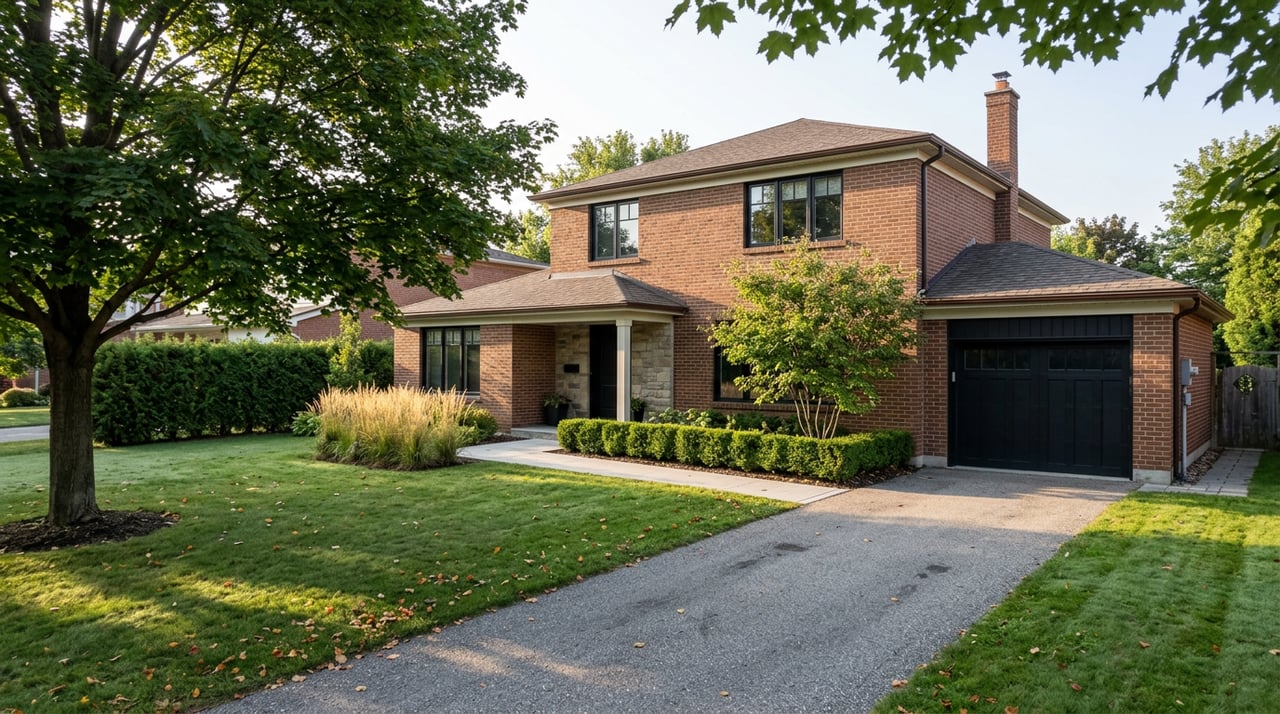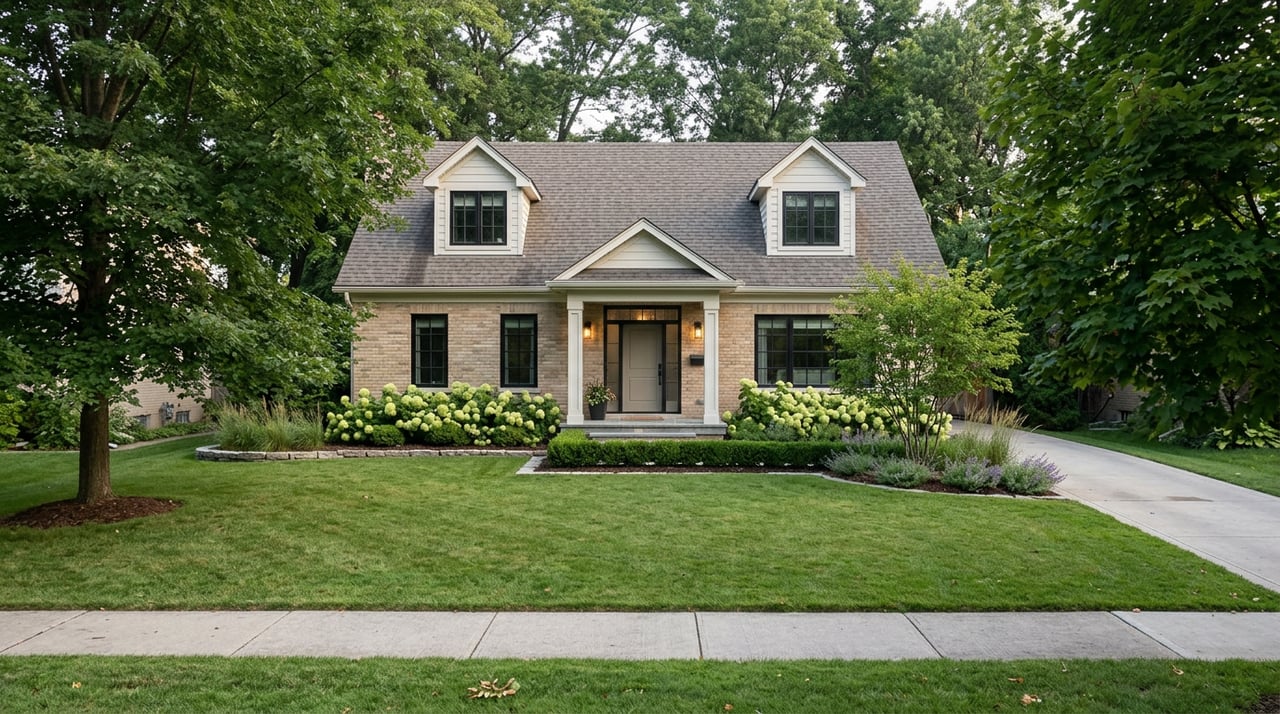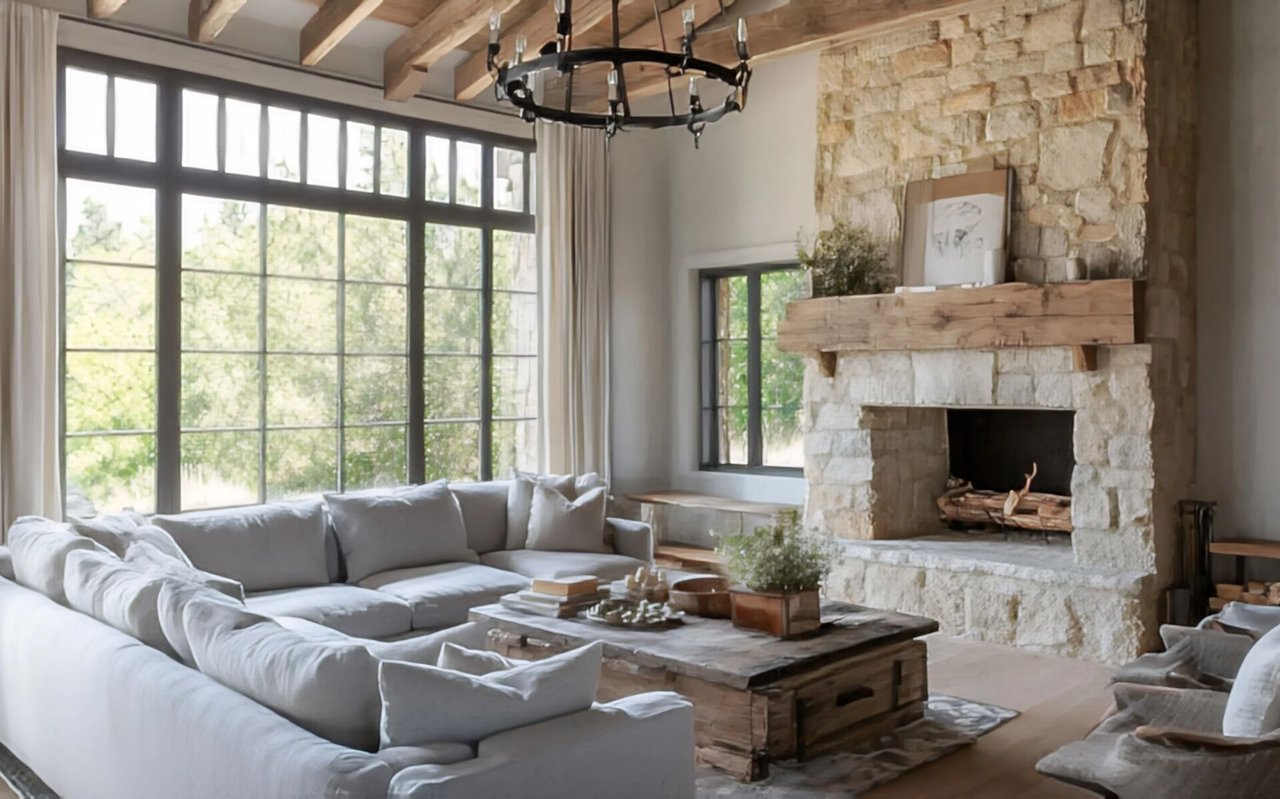
Rural living is becoming increasingly popular. The charm of open spaces and a stronger connection to nature are just a few reasons why more and more people are buying rural properties.
However, there are some unique considerations that potential buyers should be aware of before deciding to shop in rural.
Keep reading to learn the appeal of rural living, key considerations before buying a rural property in Ontario, financial implications, what questions to ask when buying rural real estate, and how to purchase your dream property.
Why Rural Properties?
Many people prefer rural properties for various reasons, including:
- Urban escape: Escaping the hustle and bustle of urban areas and enjoying a quieter, more serene lifestyle is tempting for many. Rural homeowners can enjoy more privacy and a more peaceful environment with more space between properties.
- More space: Rural properties typically have more land, providing homeowners ample space to expand, build additional structures, create outdoor amenities, and have more room for recreational activities.
- Connection to nature: Rural properties often have scenic views, such as forests or bodies of water, allowing homeowners to enjoy the beauty of nature from their doorstep. The surrounding trees, hills, or open fields can act as natural barriers, enhancing the property's privacy.
Key Considerations Before Buying a Rural Property in Ontario
Purchasing rural property in the green expanse of Southwestern Ontario can be all of the above and more. But if you're new to rural living, there are several things to consider before jumping into a home or cottage.
Consideration #1: Zoning and Land Use Regulations
Provincial legislation, such as Ontario's Planning Act, or regional conservation authorities, such as Grand River Conservation Authority (GRCA) and Niagara Escarpment Commission (NEC), govern land use in rural areas. These bodies have the authority to create zoning bylaws to regulate development and land use planning within their jurisdictions.
Always check with the municipality for a property's zoning district because it can change from one property to another.
- Land use regulations: Is the property zoned for agricultural, commercial, industrial, or residential? You will also want to verify that it is not zoned for conservation purposes.
- Setback requirements: How far can a dwelling be from roads, property lines, or other structures - in particular from a neighbouring property's structures?
- Permissible building types: Barns, accessory dwellings, etc.
If you want a specific type of property, it is crucial for buyers to do their due diligence before making a purchase to ensure that local plans will meet current zoning regulations.
Consideration #2: Access to Utilities and Infrastructure
With city living, you don't typically think about septic, water, internet, electricity, heating, and cooling systems. It's quite the opposite in rural Ontario.
Well Water
Rural property owners have water pumped from underground wells. Well water is generally safe to drink. Some properties may require specific water treatment systems, such as water softeners, UV light filters, iron filters, and more.
It's important to test your well water to determine its suitability for your use.
Sepic System
There are no central sewer systems in rural Ontario. Your property will have a septic system where all waste from your home or cottage empties into a septic tank and then filters through a septic system. Evaluation of the septic system should be a priority when making a rural property purchase.
Internet and Cell Phones
Internet is generally available from the local provider throughout rural Southwestern Ontario, and it's not uncommon to have TV and Internet. However, cell phones may have limitations with spotty reception and poor coverage.
Electricity
Rural areas pay for their usage just like urban areas, but the delivery charge can be significantly higher because the service covers a greater area with fewer property owners to share the cost.
Consideration #3: Property Surveys and Boundaries
You cannot avoid legal issues or future disputes by having a licensed surveyor measure and mark the property lines. A survey may be necessary for:
- Determining exact property lines.
- Building new structures.
- Locating easements.
- Finding exactions.
- Meeting mortgage lender requirements.
- Landscaping the property before you buy.
- Getting a title insurance policy.
Consideration #4: Environmental Assessments
In some cases, obtaining a certified environmental assessment (EA) can protect you. It may tell you of existing soil contamination or other hazardous materials prior to committing to a purchase. An experienced rural realtor can help advise if an EA is necessary for a specific property.
Consideration #5: Road Access and Maintenance
Knowing if the road that leads to your property is private or public can be beneficial. If it's privately owned, you and other owners are responsible for maintenance, including snow removal.
On the other hand, public roads give access to everyone, and the municipality maintains and plows the roads.
Consideration #6: Local Amenities and Services
Rural areas typically have lower populations and longer travel times for amenities like schools, shopping, and hospitals. While there may be a local store, farmers' market, and convenience stores, any other amenities may require a trip to a neighbouring town or city.
Consideration #7: Future Development Plans
You can research the local municipality and check with individual neighbours to learn about potential future development plans. These could include new roads, subdivisions, or even good jobs. This provides you with additional insights into any future developments around your potential property, which may affect your lifestyle, living conditions, or property value. Your plans for a quiet, secluded environment may be impacted if the properties east of yours have come for apartments and condominiums.
Consideration #8: Cottage Regulations
The final factor to consider is whether your rural property is subject to specific cottage regulations. For example, this may include waterfront regulations, seasonal access, and other municipal requirements for your property. Plus, if you plan on purchasing a cottage, you'll also want to think about how you'll keep your property maintained.
Financial Implications and Opportunities
Financing rural versus urban properties can have significant differences.
Difference #1: Financing Options
Financing a rural property can be more complicated than financing residential city properties. Things to consider include the type of mortgage, appraised value vs. market value, the condition of the existing residence, other outbuildings, and the actual property location.
Difference #2: Tax Considerations
Taxes for "farm" properties may include two different mill rates. One for the residential component of the property and one for the land component of the property. Properties other than farms typically pay the residential rate. However, if your property is governed by a conservation authority, you can apply to the appropriate conservation authority for a property tax reduction.
Difference #3: Insurance Requirements
Rural properties may face higher insurance premiums, depending on individual factors, than urban areas. Some of these risks may include:
- If there's a fire, it takes the fire department longer to respond. Insurance coverage takes into consideration a property's proximity to the closest fire station.
- Spring overland flooding may be more likely in rural areas due to wetlands and waterways, such as streams and rivers, which many people desire to have on their property.
Let's Make Your Rural Dream Come True
Navigating the rural real estate market takes special knowledge of its unique nuances. Maggie Horne is an experienced rural specialist with Andra Arnold & Associates. Maggie lives on a farm in rural Southwestern Ontario, and there's nobody better to guide you through a seamless rural property purchase.
We provide a step-by-step checklist for buying rural property and help guide you through the process, from inspections and surveys to financing and contingencies. We provide data to help you make informed decisions, answer questions about what to know when buying a home or cottage in Ontario or costs when buying a cottage to rent out in a lake district, and deliver a seamless rural home or cottage-buying experience.
Are you looking to navigate the complexities of purchasing a rural property? We can help. Partner with Andra Arnold & Associates, and we'll get you where you want to be.