Over the years, we've attended countless home inspections across Guelph, Centre Wellington, and the surrounding communities. We've walked through century homes, brand-new builds, luxury properties, condos, and everything in between. While every home is different, the same lessons seem to come up time and time again.
Here are five of the biggest things we've learned.
1. Water Is Almost Always the Biggest Concern
If there's one thing we pay close attention to during an inspection, it's water.
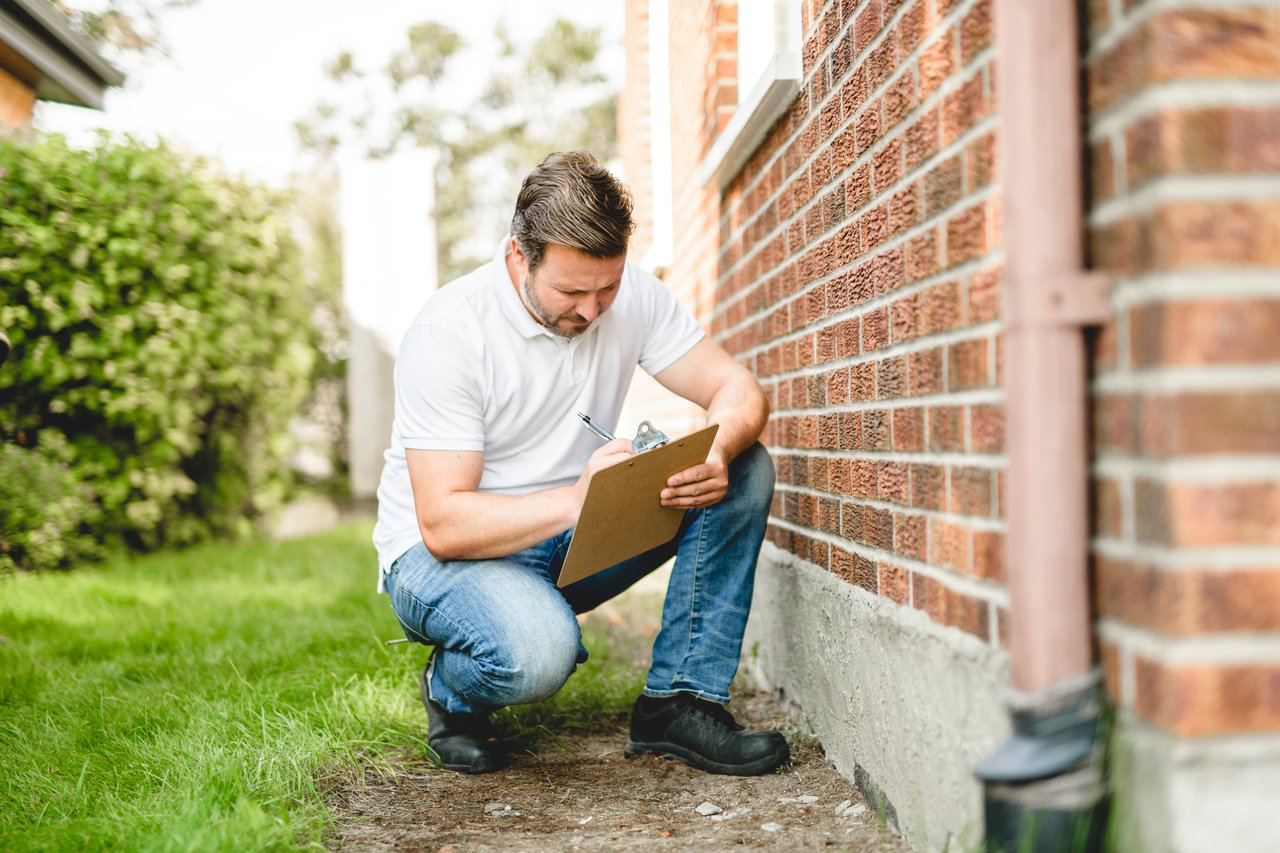
A downspout that empties beside the foundation, grading that slopes toward the house, a missing shingle, or worn caulking around a window may not seem like a big deal today. But over time, small water issues have a way of becoming very expensive ones.
Moisture can lead to foundation problems, mould, wood rot, and structural damage if left unchecked. The good news? Many of these issues are relatively simple and inexpensive to correct when caught early.
2. The Most Expensive Problems Are Usually Hidden
It's easy to fall in love with a beautiful kitchen, fresh paint, or trendy finishes. Those cosmetic details are often what catch our eye first.
But they're rarely the things that lead to major unexpected expenses.
The components that matter most are the ones you don't always see:
- Roof
- Electrical system
- Plumbing
- Foundation
- Furnace and HVAC
- Insulation
Cosmetic updates can usually be completed over time as your budget allows. Replacing major systems, on the other hand, can quickly add up to tens of thousands of dollars.
That's why we always encourage buyers to look beyond the finishes and understand the condition of the home's core systems.
3. A Home Inspection Doesn't Cover Everything
Home inspectors have an incredible breadth of knowledge, but they're generalists.
Depending on the property, additional inspections may still be recommended for things like:
- Wells
- Septic systems
- Fireplaces and chimneys
- Wood-burning stoves
- Specialty roofing materials
- Environmental concerns
Knowing when to bring in a specialist can provide peace of mind and help avoid costly surprises after closing.
4. Some Issues Become Insurance Problems Before They Become Repair Problems
One lesson that surprises many buyers is that not every issue is simply about the cost of repairs.
Sometimes, it's about whether you can obtain home insurance at all.
Older electrical systems, recalled electrical panels, oil tanks, or certain plumbing materials can all affect insurance eligibility or significantly increase premiums.
We've seen situations where buyers spend more time speaking with their insurance broker than with contractors after an inspection. Understanding these issues early gives buyers time to explore options, negotiate repairs, or make informed decisions before removing conditions.
5. A Good Inspection Isn't About Finding a Perfect House
No home is perfect.
Every property—whether it's 100 years old or just completed last month—will have a list of maintenance items.
That's completely normal.
The purpose of a home inspection isn't to find a house with nothing wrong. It's to understand what you're buying, prioritize future maintenance, and avoid major surprises after you move in.
When buyers approach inspections with realistic expectations, they almost always make better, more confident decisions.
Final Thoughts
A home inspection isn't something to fear—it's one of the most valuable parts of the buying process. It gives you a clearer picture of the home's condition, helps you plan for future maintenance, and ensures you're making an informed investment.
If you're preparing to buy or sell a home, we're happy to walk you through what to expect, help you interpret inspection findings, and discuss which issues are worth negotiating and which are simply part of normal homeownership.
The more informed you are before closing, the more confident you'll feel long after you get the keys.