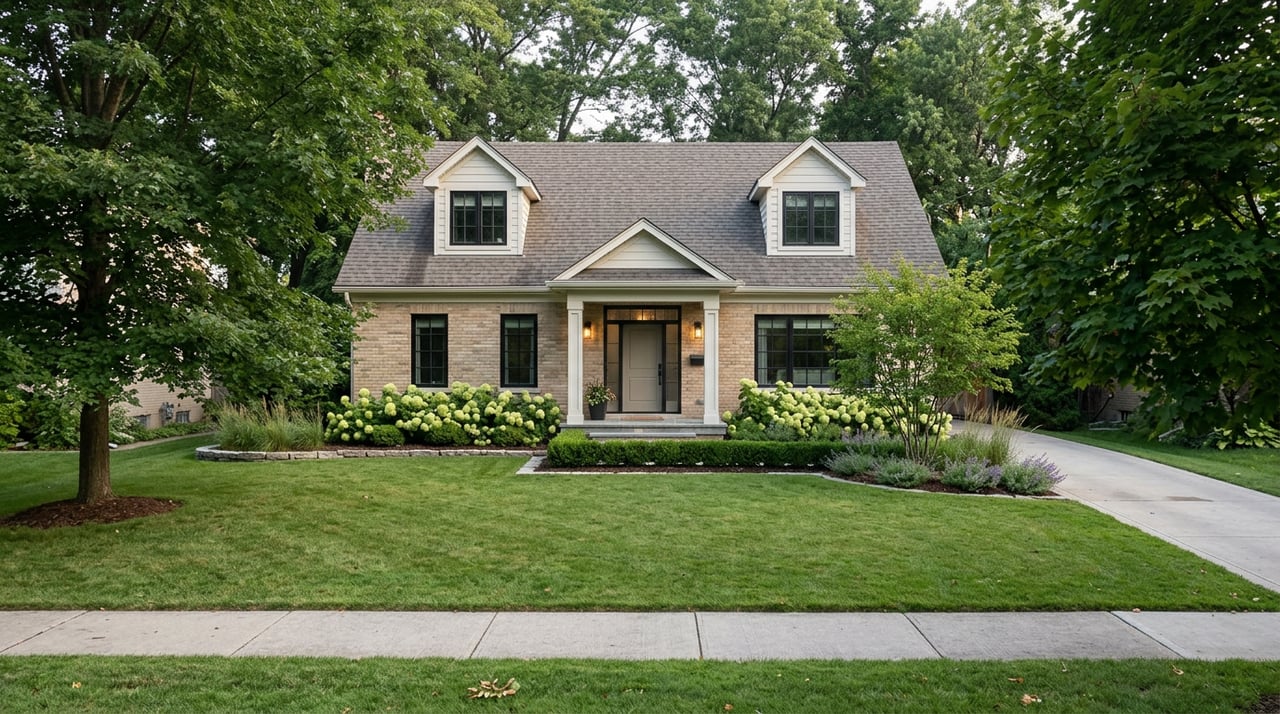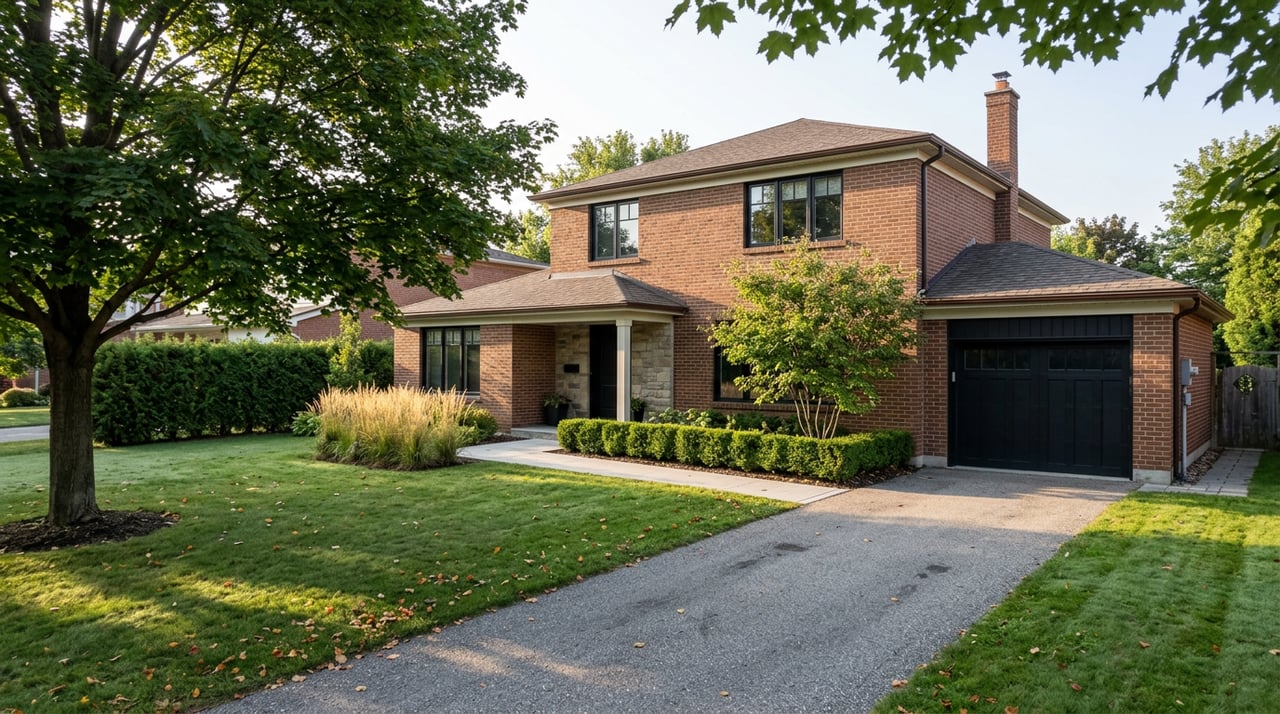
Picture two listings that show up in the same Grange Road search this fall. One is a low-slung bungalow a few streets off Victoria Road, priced to move, full of character, the kind of house an agent might call "solid bones." The other sits closer to Starwood Drive, built a generation later, with a garage that actually fits two cars and a kitchen that was never meant to be renovated because it never needed to be. Same neighbourhood name on both listings. Very different electrical history behind the walls.
That difference does not show up on a floor plan. It shows up when your insurance broker asks one simple question during underwriting: what year was this house built. For most of Grange Road, that question is a formality. For a specific, narrow slice of it, the answer changes what happens between your accepted offer and your closing date.
One Name, Three Different Decades
Grange Road, also known locally as Grange Hill, is Guelph's furthest east neighbourhood, bordering Guelph-Eramosa township. It did not arrive all at once. The stretch closest to Victoria Road holds the oldest housing, with some homes dating to the mid-1970s. Moving east and south from there, the neighbourhood filled in through the 1980s and 90s with smaller detached homes, bungalows and splits built for exactly the buyer Grange Road still attracts today: first-time purchasers, young families, downsizers looking for a manageable single-level layout.
East of Starwood Drive, the road that runs diagonally through the heart of the neighbourhood, almost everything you see was built from the early 2000s onward. And the newest chapter is still being written. At 115 Watson Parkway North, on land that sat as a vacant former grocery site for years, a residential project called Guelph Grange Hill has been working through city approvals since Tercot Communities acquired the parcel in 2022 alongside Cityzen Development Group and Greybrook Realty Partners. Ward 1 councillor Erin Caton captured the neighbourhood's long wait for that corner to become something when the proposal was first announced.
"I'm very excited. We need housing and we need commercial in the area."
Three build eras, one neighbourhood name, and only one of those eras carries a wiring question worth asking before you write an offer.
What Actually Changed in the Mid-1970s
Copper prices spiked through the 1960s and 70s, and builders across Ontario, not just in Guelph, turned to aluminum for branch circuit wiring as a cheaper substitute. Ontario's Electrical Safety Authority now flags homes built roughly between the mid-1960s and late 1970s as the window where this wiring is likely to appear.
Aluminum wiring by itself is not the defect people assume it is. The Ontario Electrical Safety Code still permits it, and the wire performs safely when it is properly connected and maintained. The real risk sits at the termination points, the outlets, switches and panel connections, because aluminum expands and contracts more than copper and can loosen over time if the wrong devices were used when the house was built. That is a maintenance and connection issue, not a reason to walk away from a house, but it is a reason to ask questions before you remove financing conditions.
Grange Road's oldest homes near Victoria Road sit inside that build window. Everything built from the 1980s forward, which describes the large majority of the neighbourhood, does not.
Where the Question Actually Lands: Your Insurance Binder
This is where the age of a specific house on Grange Road stops being trivia and starts affecting your closing timeline. Some insurers will not issue or renew a policy on a home with aluminum wiring until they see an ESA Certificate of Inspection or Certificate of Acceptance confirming the wiring and connections meet code. If a home hasn't already been through that process, here is roughly what it looks like:
- A Licensed Electrical Contractor assesses the wiring and connection points throughout the home
- Necessary repairs are made, typically using devices rated for aluminum-to-copper connections, copper pigtailing at outlets and switches, or approved anti-oxidant compounds at terminations
- The contractor files a notification of the completed work with the Electrical Safety Authority
- ESA reviews and, once satisfied, issues a Certificate of Acceptance
- The homeowner keeps a copy for insurance purposes and for the next resale
None of that is dramatic. It is paperwork and a licensed electrician's time. But it takes time, and if it surfaces after conditions have been waived instead of before, it becomes a scramble against a closing date instead of a line item in your due diligence.
Ask This Before You Waive a Condition
If you're touring homes in the older pocket of Grange Road, near Victoria Road, ask the build year directly. Don't assume a recently updated electrical panel settles the question. Panels get replaced far more often than the branch wiring behind the walls does, and a shiny new panel can still be feeding aluminum wire to the outlets in every bedroom.
If the home falls inside that mid-1960s to late-1970s window, ask the seller whether any electrical work has already gone through ESA and whether they have a Certificate of Acceptance on file. If they don't, build a home inspection condition that specifically calls out aluminum wiring, and talk to your insurance broker before your financing condition expires, not after. A broker can usually tell you within a day whether your chosen insurer will underwrite the home as is or wants documentation first.
If You're Selling One of the Original Grange Road Homes
If your home is one of the original mid-1970s builds near Victoria Road, the smartest move is getting ahead of this before your listing goes live rather than during a buyer's conditional period. Have a Licensed Electrical Contractor assess the wiring and connections now, complete any needed work, and get the ESA paperwork filed. Buyers and their lenders move faster on a house where that question is already answered. In a market where financing conditions are the most common reason a firm deal falls apart late, removing one variable before you list is worth the electrician's invoice.
What the Rest of the Market Is Doing Right Now
Recent neighbourhood-level market tracking for Grange Hill East in August 2026 put the average detached home value at roughly $761,573, with the area carrying the slowest days-on-market ranking in Guelph, five out of five. A house that sold recently in that window closed nearly 3.2 percent below its list price. Condos in the same stretch softened by a similar margin over the same period. A month earlier, in July 2026, the average detached value was tracked at about $770,287, and one recorded detached sale spent roughly 33 days on market before closing at about 97 percent of its asking price.
None of that is a crisis. It describes a market where buyers currently have room to negotiate and time to be thorough. For a seller with a well-maintained newer home east of Starwood Drive, that mostly means pricing honestly from day one. For a seller in the older pocket near Victoria Road, it means an unresolved electrical question is one more thing a patient buyer's agent will use to ask for a price adjustment or extra time, when a little preparation could have taken it off the table entirely.
A Few Real Questions
Does aluminum wiring mean I can't get home insurance? No. It means some insurers will ask for documentation, typically an ESA Certificate of Acceptance, before they'll issue or renew a policy. Once that's in hand, coverage is usually straightforward.
If the panel was upgraded, is the wiring automatically safe? Not necessarily. A panel upgrade addresses the panel. It does not tell you what material is running to the outlets and switches throughout the house. Those need to be checked separately.
Is this only a Grange Road issue? No. It's a build-era issue that shows up anywhere in Ontario with housing from that period. Grange Road is worth flagging specifically because its oldest homes sit right in that window while the rest of the neighbourhood, built later, does not.
If you're weighing a home in Grange Road's original pocket, or preparing to list one, a conversation before you write or accept an offer costs you nothing and can save real time later. Andra Arnold & Associates has been walking Guelph and Wellington County buyers and sellers through exactly this kind of neighbourhood detail since 2008, and we're happy to talk through what a specific address on Grange Road actually needs before you commit to it.