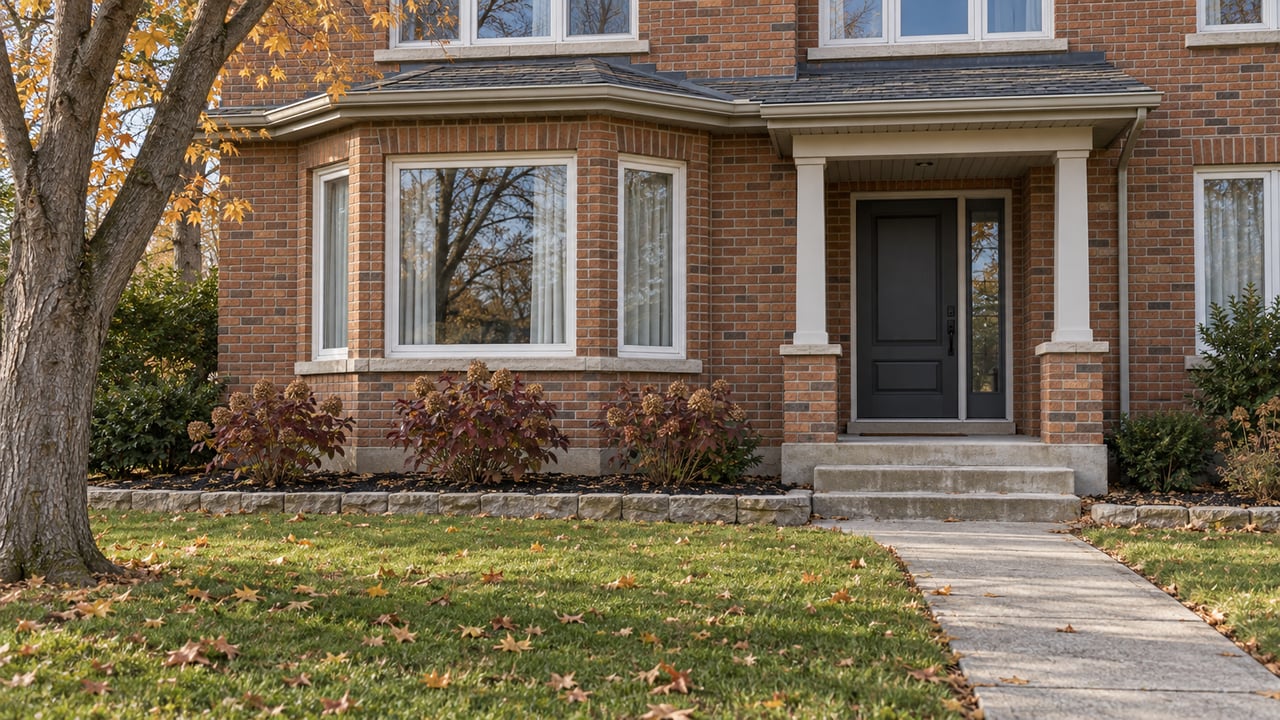
What Homeowners in Guelph and Ontario Should Understand About Taxes before Selling Their Property.
If you're preparing to sell a home in Guelph or elsewhere in Ontario, one important financial question to consider is whether capital gains tax will apply. While many homeowners benefit from the principal residence exemption, which allows them to sell their home tax-free, not every property sale qualifies.
Understanding how capital gains work before listing your home can help you plan ahead and avoid surprises. Here are a few key factors that determine whether capital gains may apply when selling real estate.
1. Was the Property Your Principal Residence the Entire Time?
In Canada, if the property you’re selling was your principal residence for every year you owned it, the sale is generally exempt from capital gains tax. However, if you only lived in the home for part of the time—for example, if it was used as a rental property for several years—you may owe capital gains tax on the portion of time it was not your principal residence. This situation often arises when homeowners in Guelph convert a home to a rental before selling.
2. Did You Use the Property as an Investment or Rental?
If the property you’re selling was a rental property, cottage, or investment property, capital gains tax will typically apply. The Canada Revenue Agency (CRA) considers the difference between what you paid for the property and the price you sell it for as a capital gain. In Canada, 50% of the gain is taxable and added to your income for that year. This is an important consideration for investors selling rental properties in Guelph or surrounding communities.
3. Have You Flipped or Repeatedly Sold Homes?
If you regularly buy, renovate, and sell properties within short periods of time, the CRA may treat those profits as business income rather than capital gains. This means the full profit (100%) could be taxable instead of just half. Anyone involved in property flipping or short-term resale should speak with an accountant to understand how their sale may be classified.
4. Have You Changed the Use of the Property?
Another situation that can trigger capital gains is a change in use. For example, if you converted your primary residence into a rental property—or the other way around—the CRA may assess capital gains on the property’s value increase at the time of the change. In some cases, homeowners can defer this tax by filing a capital gains election, but proper tax planning is essential.
Even if your home sale qualifies for the principal residence exemption, the sale must still be reported to the CRA when filing your taxes. Failing to report the sale can result in penalties.
If you’re planning to sell a home in Guelph or the surrounding area, it’s always a good idea to speak with both your Realtor and a tax professional to understand how capital gains rules apply to your specific situation.