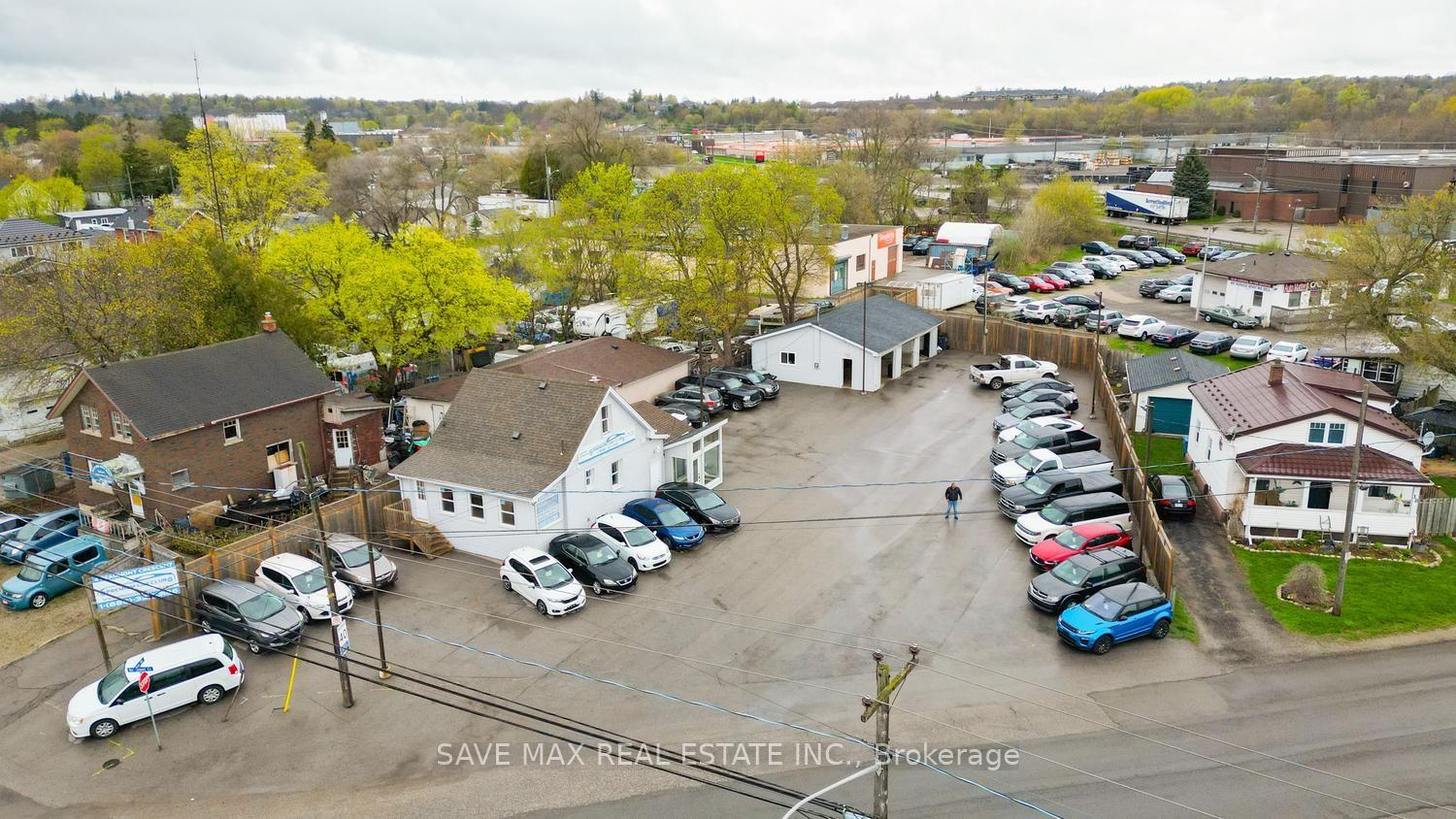
The Ward, historically known as St. Patrick's Ward and closely associated with Guelph's Two Rivers community, is one of the city's most distinctive and evolving neighbourhoods. Located just east and southeast of downtown, it's an area shaped by Guelph's industrial history, generations of working families, and its connection to the Speed and Eramosa rivers.
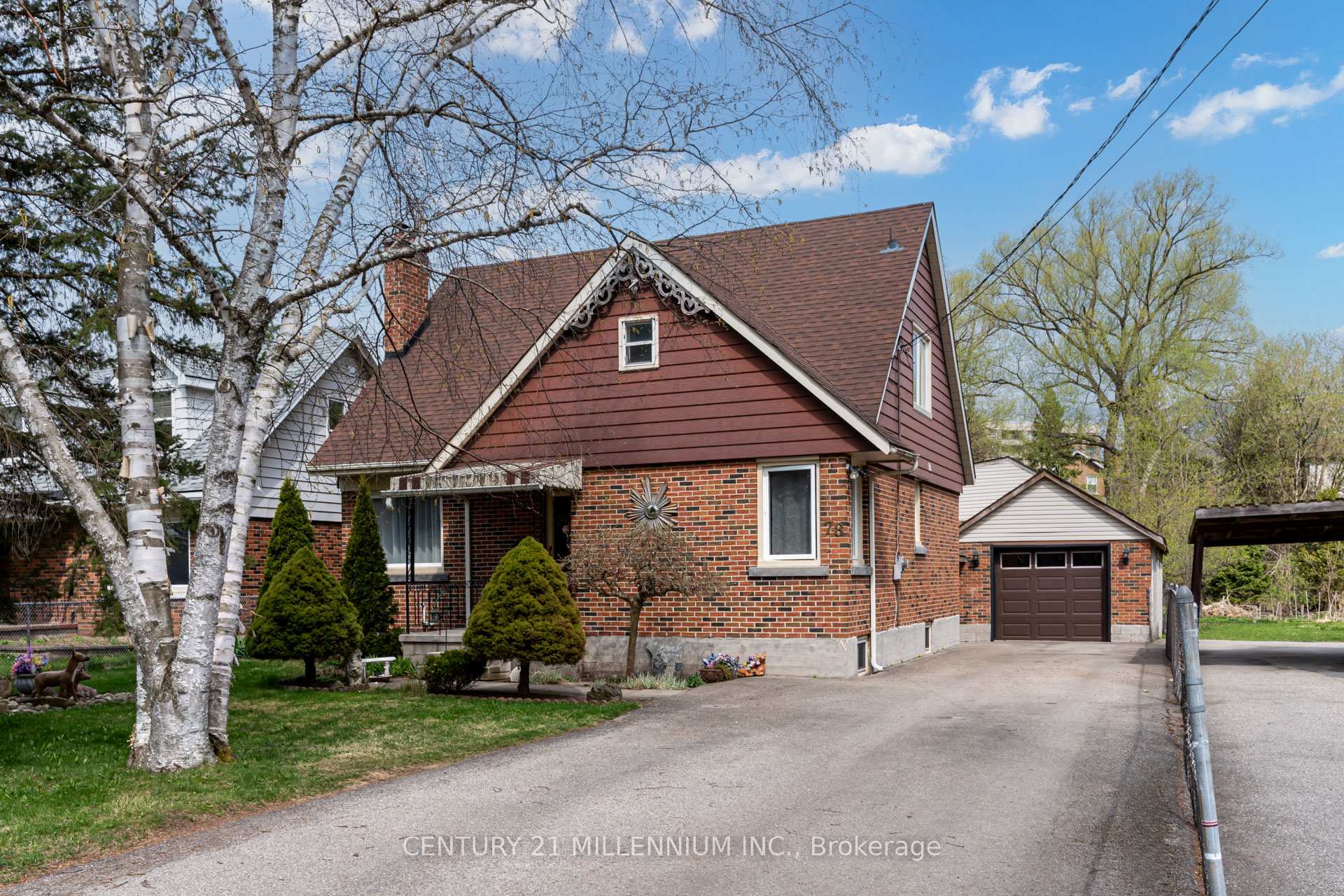
Here, you'll find century-old brick cottages, traditional two-storey homes, converted industrial lofts, and newer riverfront condominiums, sometimes just a few streets apart.
For buyers who appreciate character, local history, and the convenience of being close to downtown Guelph, The Ward and Two Rivers area offers a living experience that's quite different from a conventional subdivision.
The Ward has a strong identity rooted in Guelph's working-class and immigrant history. Generations of families lived and worked here, contributing to the neighbourhood's mix of modest homes, industrial buildings, workshops, and established residential streets.
That history is still visible today, particularly along streets such as Alice, Huron, Ontario, Elizabeth, and Morris. Older brick homes sit alongside repurposed industrial buildings, while new residential developments reflect the area's ongoing evolution.
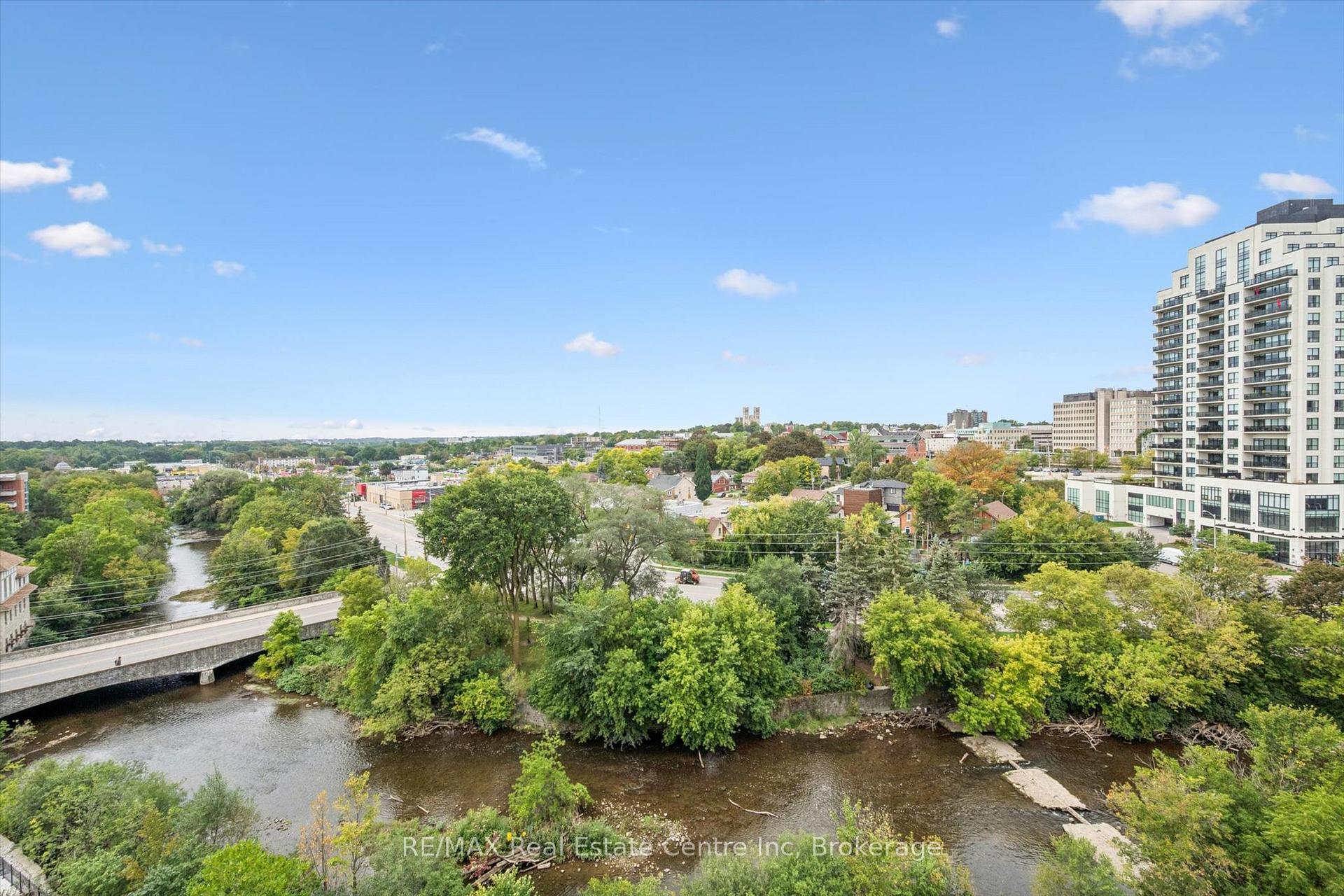
The name Two Rivers reflects the community's connection to the Speed and Eramosa rivers, which meet near downtown Guelph. While the Two Rivers community area can extend beyond the historic boundaries of St. Patrick's Ward, the names are closely connected in local neighbourhood discussions.
The surrounding river corridors offer access to trails, parkland, and the Guelph Covered Bridge, while downtown restaurants, shops, cultural venues, and Guelph Central GO Station are nearby.
It's this combination of history, housing variety, and central location that gives the area its character.
One of the most interesting things about real estate in The Ward and Two Rivers is the contrast between historic residential streets and newer developments.
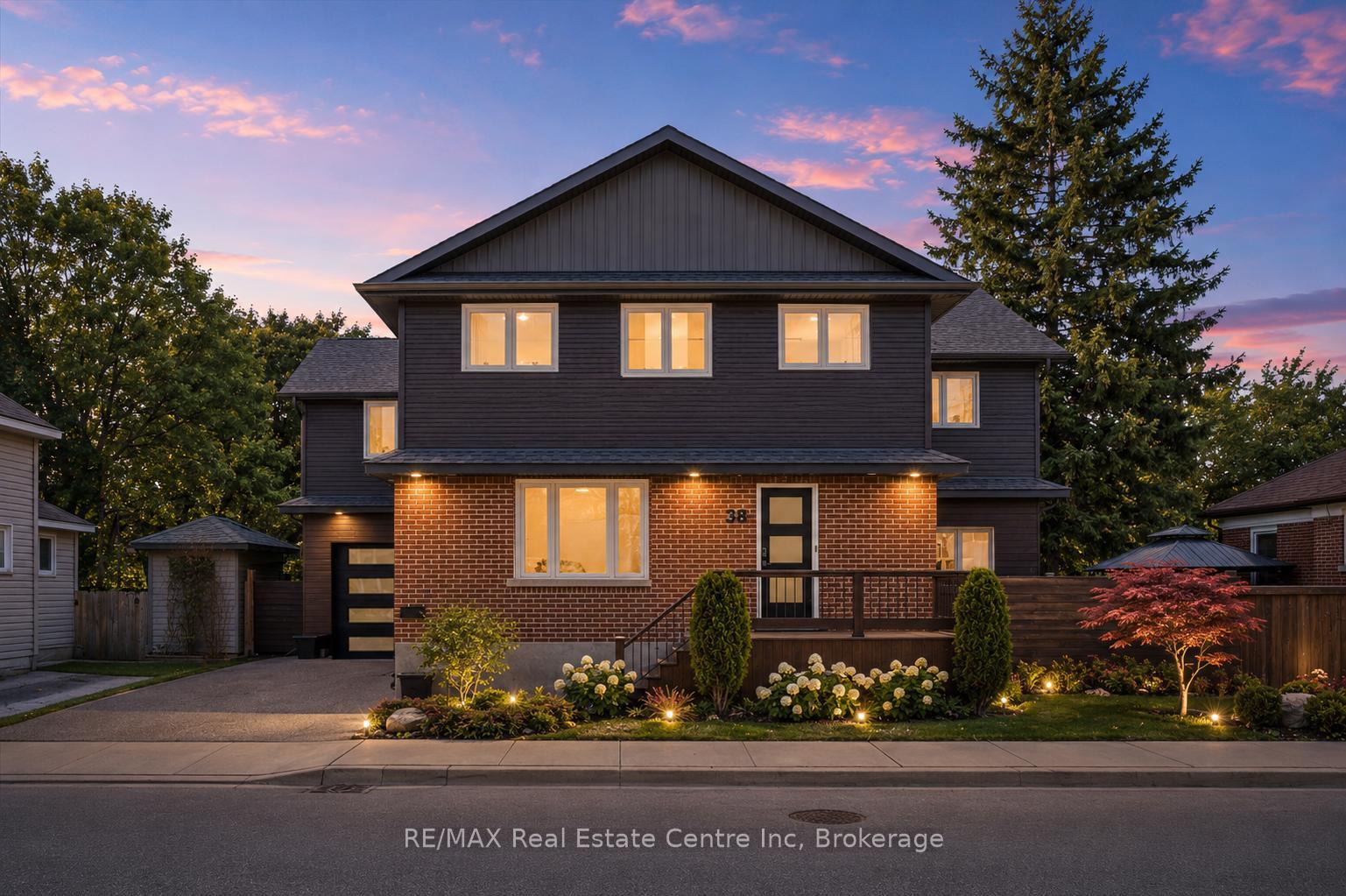
Much of the historic Ward's traditional housing dates from the late 19th and early-to-mid 20th centuries.
You'll find one-and-a-half-storey Ontario cottages, red-brick two-storey houses, semi-detached properties, and modest bungalows. Some retain original architectural details, while others have been renovated or expanded to accommodate modern living.
Many of these homes were built on relatively narrow lots, although some properties have surprisingly deep backyards. Depending on the street, buyers may find established gardens, detached workshops, or outdoor spaces that offer more flexibility than the home's footprint might initially suggest.
For those drawn to the charm of an older property, The Ward offers an interesting range of possibilities.
The area's industrial past has also created a distinctive type of housing: residential lofts in repurposed historic buildings.
Developments such as Mill Lofts on Ontario Street and Alice Block on Huron Street reflect the transition from manufacturing and industrial uses to residential living.
These properties can offer architectural features that are difficult to replicate in conventional condominium buildings, including exposed brick, high ceilings, and industrial-inspired interiors.
For buyers considering loft living, it's worth understanding how the age and construction of the building may influence its layout, maintenance requirements, and condominium fees.
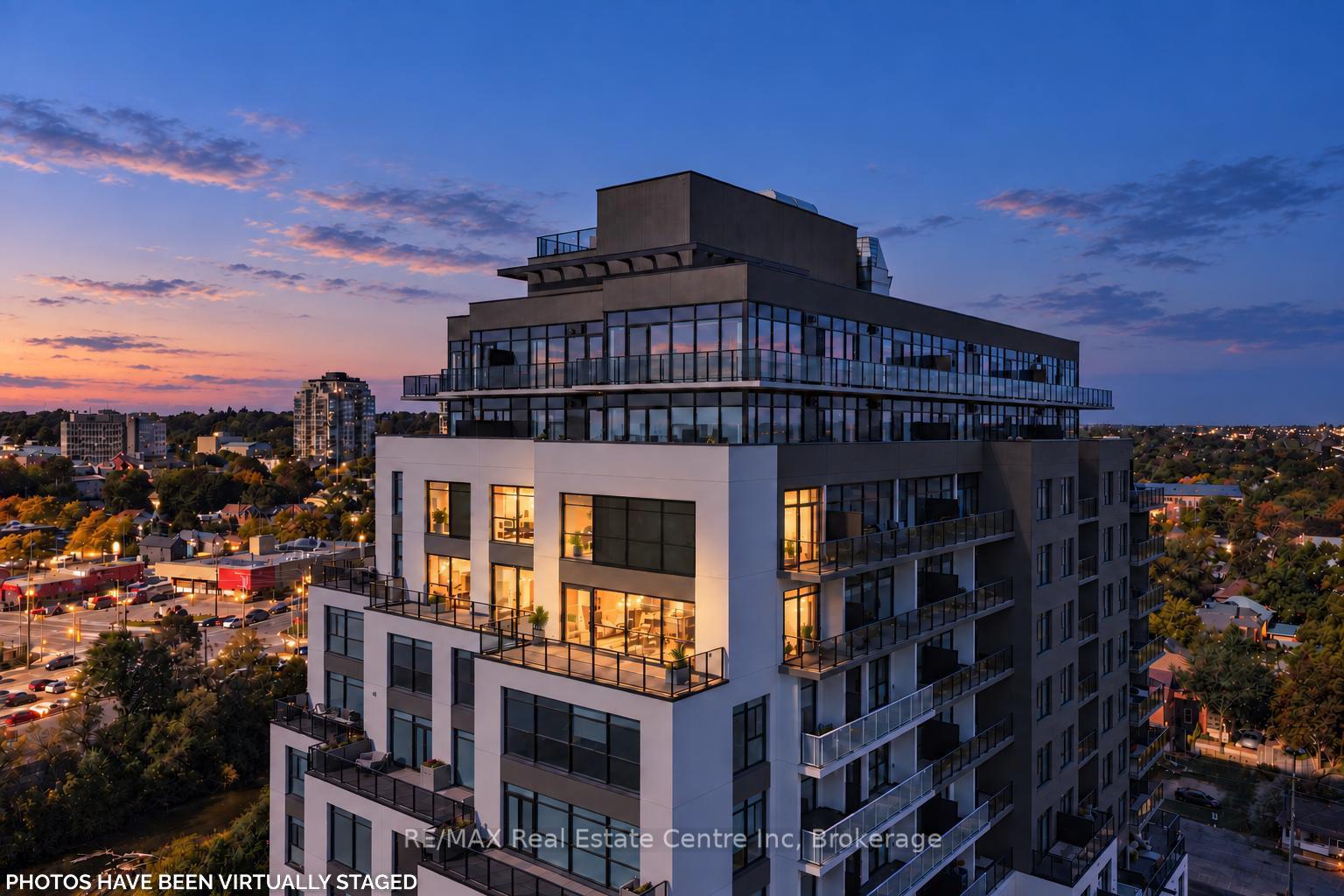
Along the western edge of the broader Ward and Two Rivers area, newer developments such as The Metalworks have introduced a different style of urban living.
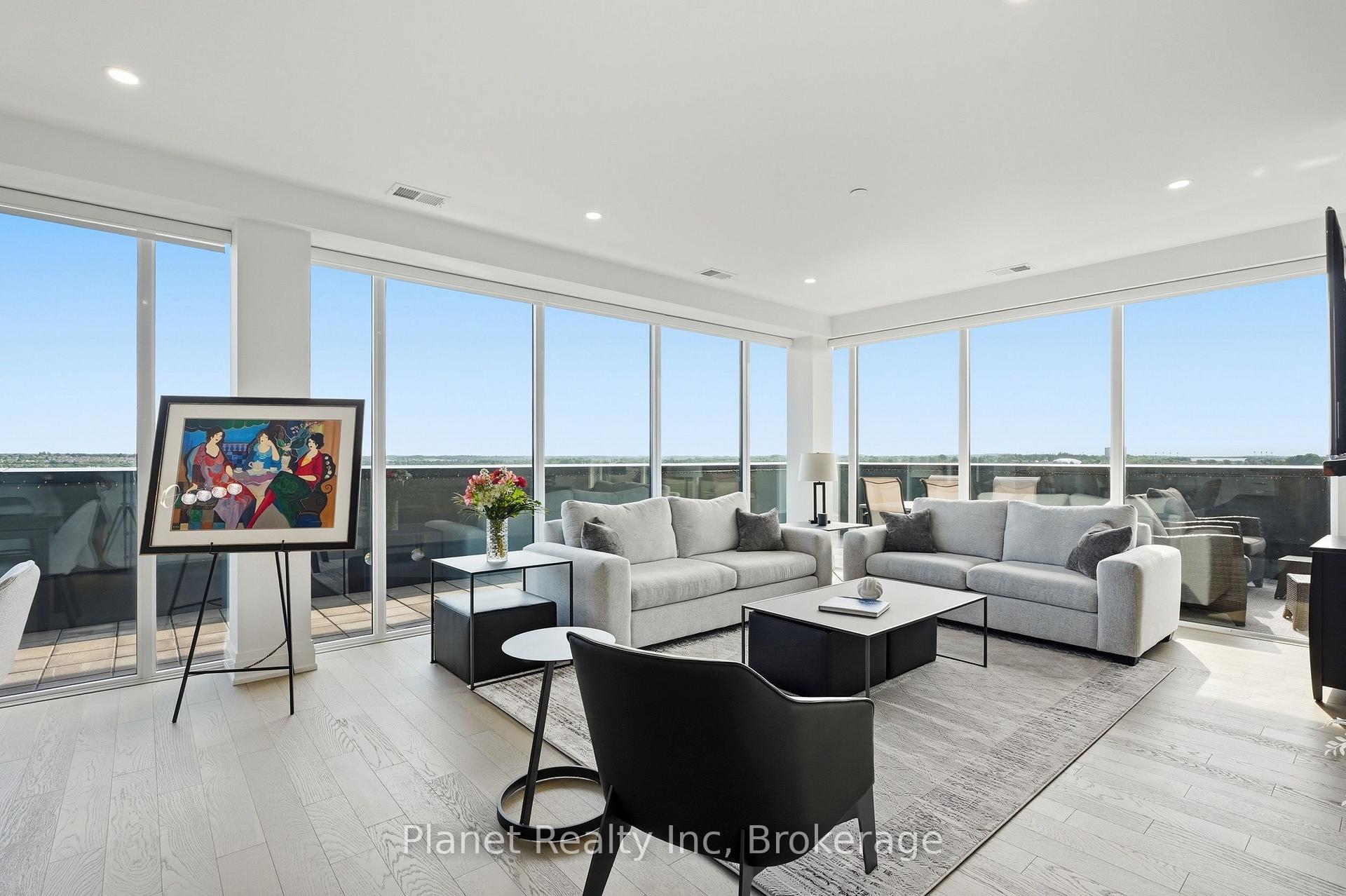
Modern condominium buildings offer an alternative to older freehold homes, with a variety of floor plans, shared amenities, and convenient access to downtown and riverside trails.
Newer townhomes and infill developments can also be found throughout parts of the community, adding to the diversity of housing options.
The result is an area where buyers can explore everything from a compact historic cottage to a contemporary condominium without moving far from downtown Guelph.
Because this area includes such different types of properties, buyers should approach each home with an understanding of its age, construction, and location.
Older freehold homes may have stone foundations, unfinished basements, and building systems that have been updated at different times. Depending on the property, it's worth investigating electrical and plumbing improvements, insulation, moisture management, and the quality of previous renovations.
Parking is another important consideration. Some historic properties have narrow driveways, shared access arrangements, or limited off-street parking. Buyers should confirm the parking arrangements for the specific property rather than assuming they'll be similar from one street to the next.
For condominium buyers, the considerations are different. Maintenance fees, reserve funds, building amenities, parking ownership, and the condition of shared building systems all deserve attention.
The area's proximity to the Speed and Eramosa rivers also means that some properties may be subject to floodplain or conservation-related considerations. Buyers planning additions, renovations, or accessory structures should confirm any applicable restrictions with the appropriate authorities.
The combination of older buildings, riverfront properties, and newer development makes property-specific due diligence especially valuable.
The Ward and Two Rivers community offers convenient access to some of Guelph's best-known downtown and riverside destinations.
The Speed and Eramosa rivers provide natural connections to walking and cycling routes, including sections of the Royal Recreation Trail. The nearby Guelph Covered Bridge is a recognizable local landmark and a popular destination along the river.
Downtown Guelph is accessible from many parts of the area, with restaurants, cafés, independent shops, entertainment, and cultural venues close by.
Guelph Central GO Station provides access to regional transit services, making its location worth considering for buyers who commute outside the city.
Within the neighbourhood, you'll find established residential streets, independent businesses, and former industrial properties that continue to evolve.
The Ward and Two Rivers is an area where understanding the type of property matters just as much as understanding the location.
A historic detached cottage, a converted industrial loft, and a modern riverfront condominium serve different needs and appeal to different buyers. Each comes with its own considerations around ownership, maintenance, layout, and long-term use.
For freehold homes, factors such as lot depth, renovation quality, foundation condition, parking, and the potential for future improvements can all influence value.
For condominiums, buyers may place greater emphasis on floor plan, monthly fees, building amenities, parking, outdoor space, and proximity to downtown.
Because these property types are so different, broad neighbourhood averages don't always provide a meaningful picture of the market. Comparing similar homes and understanding their individual features is essential.
At Andra Arnold & Associates, we help buyers and sellers navigate these differences with local market knowledge, thoughtful pricing strategies, and advice tailored to each property.
Yes. The Ward is the commonly used local name for St. Patrick's Ward, one of Guelph's historic neighbourhoods east and southeast of downtown. The area is known for its working-class and industrial heritage, character homes, and distinctive residential streets.
The names are closely connected, but their geographic boundaries aren't necessarily identical. Two Rivers is used to describe the broader community associated with the Speed and Eramosa rivers, including much of the historic Ward. Locally, the names are often used together when discussing this part of Guelph.
The area features historic Ontario cottages, traditional brick homes, semi-detached properties, bungalows, converted industrial lofts, modern condominiums, and newer townhome developments. The housing mix varies considerably between the older residential streets and newer riverfront developments.
Yes. Many parts of the Ward and Two Rivers area are within walking or cycling distance of downtown Guelph, including restaurants, shops, cultural venues, and Guelph Central GO Station. Travel times depend on the specific property location.
Yes. The Ward is home to converted industrial residential buildings, including Mill Lofts on Ontario Street and Alice Block on Huron Street. These developments reflect the area's manufacturing history and offer an alternative to conventional condominium living.
Buyers should consider the condition of the foundation, electrical and plumbing systems, basement moisture management, previous renovations, and parking arrangements. For properties near the rivers, it's also worth confirming any applicable floodplain or conservation restrictions.
Some properties may have the space or configuration to accommodate an additional residential unit, but eligibility depends on the specific property, zoning, servicing, building requirements, and any other applicable restrictions. Buyers should confirm feasibility with the City of Guelph before making plans.
Whether you're interested in a character-filled century home, a unique industrial loft, or a modern condominium close to downtown, The Ward and Two Rivers area offers a wide range of housing possibilities.
Andra Arnold & Associates is here to help you explore the neighbourhood, understand your options, and make informed decisions about buying or selling in this distinctive part of Guelph.
Explore homes for sale in The Ward and Two Rivers or connect with our team to discuss your next move.