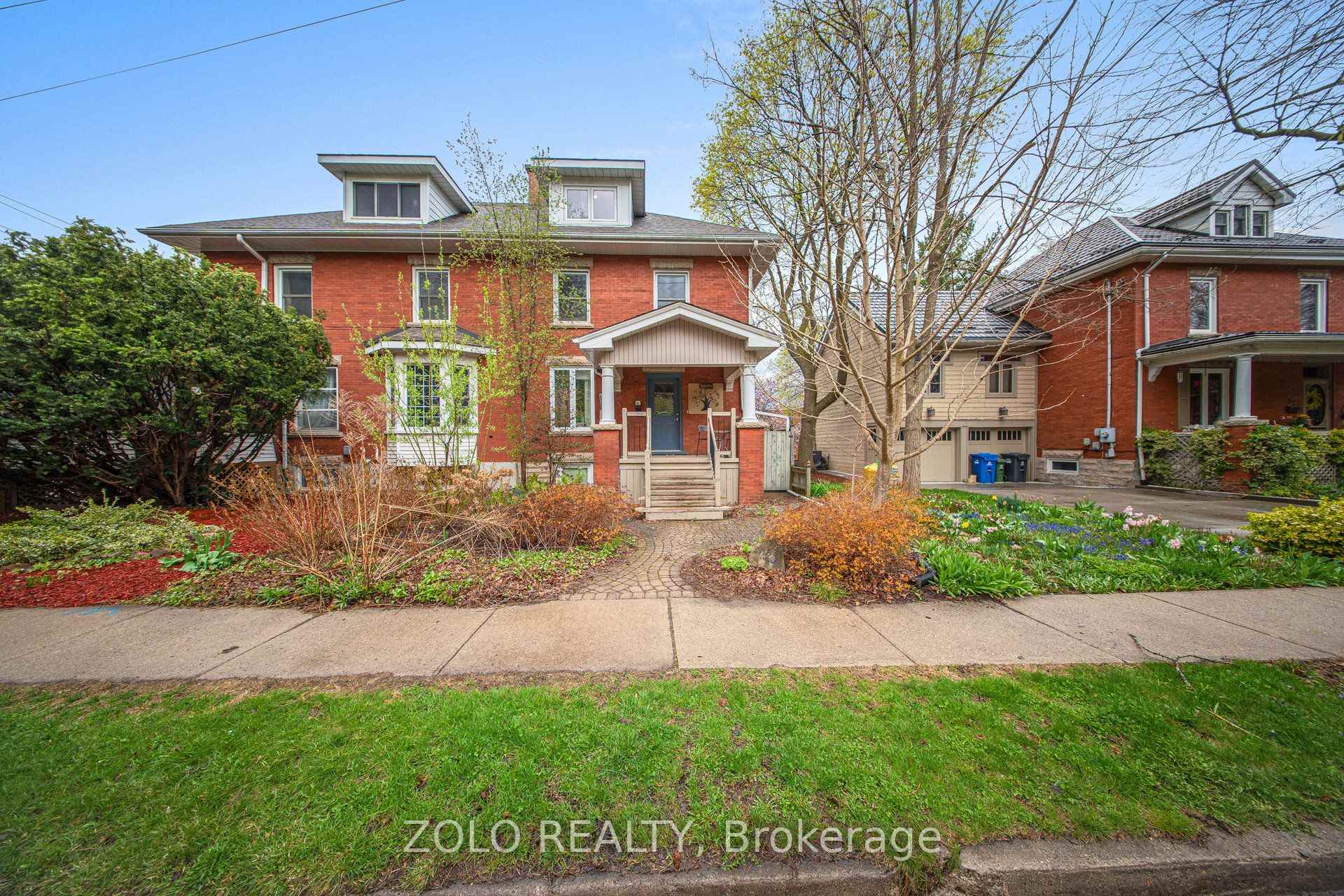
Old University is one of Guelph's most established residential neighbourhoods, known for its beautiful mature trees, distinctive homes, and convenient location between downtown Guelph and the University of Guelph.
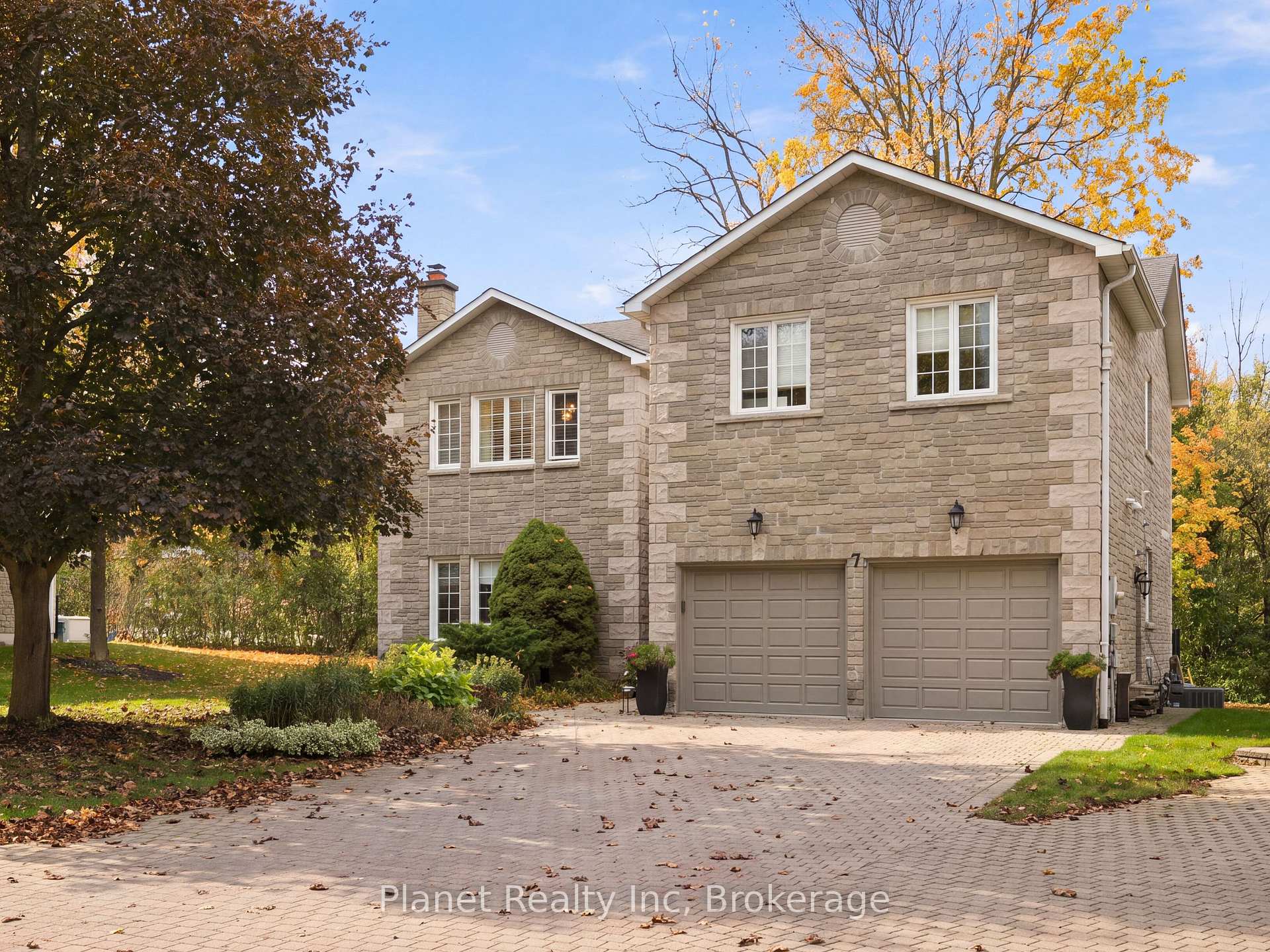
From historic brick houses and traditional two-storey homes to mid-century bungalows and thoughtfully designed custom builds, Old University offers a mix of architecture that's difficult to replicate in newer subdivisions.
For buyers who appreciate established streets, generous yards, access to green space, and proximity to both the university and downtown, Old University is an appealing part of Guelph to explore.
One of Old University's defining features is its setting. The neighbourhood sits south of the Speed River and Royal City Park, with residential streets extending toward the University of Guelph and Cutten Fields.
Streets such as University Avenue West, James Street West, Albert Street, Dean Avenue, Caledonia Street, and Maplewood Drive reflect different periods of the neighbourhood's development.
Some areas feature historic brick homes with traditional architectural details, while others are characterized by mid-century houses, mature landscaping, and established residential lots.
The neighbourhood's location is another important part of its appeal. Royal City Park, riverside trails, downtown Guelph, and the University of Guelph are all nearby, making it possible to enjoy a quieter residential setting while remaining connected to some of the city's best-known destinations.
Old University has a diverse housing stock that reflects more than a century of residential development.
Closer to the older streets of the neighbourhood, you'll find Victorian, Edwardian, and Craftsman-influenced homes, including traditional red-brick houses and properties with original architectural features.
These homes can offer details such as welcoming front porches, traditional woodwork, established gardens, and layouts that reflect an earlier era of homebuilding.
Some have been extensively renovated over the years, while others retain much of their original character.
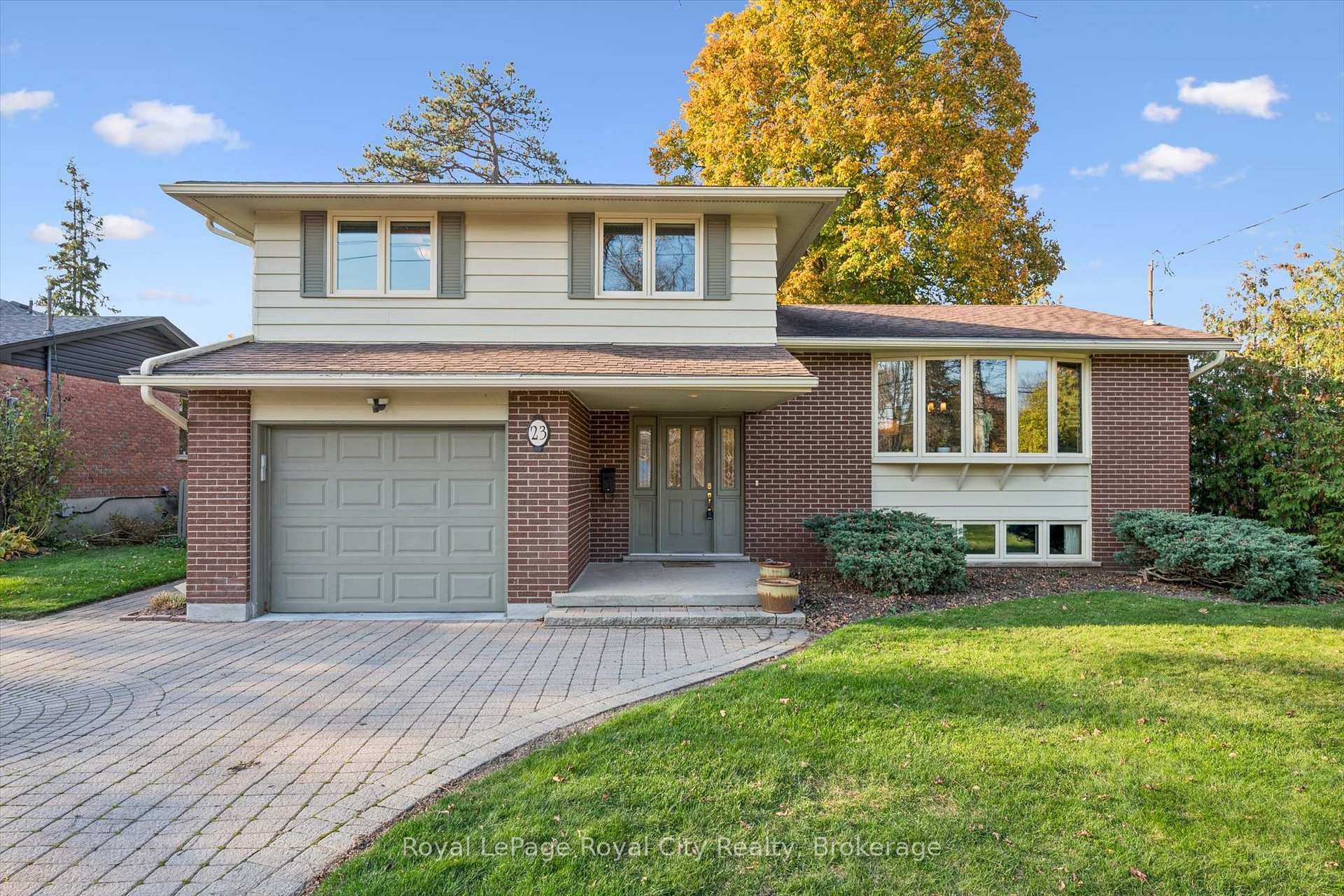
A significant part of Old University's housing was developed during the middle of the 20th century.
Streets such as Dean Avenue, Caledonia Street, Rodney Boulevard, and Maplewood Drive feature bungalows, sidesplits, and traditional one-and-a-half-storey homes.
These properties often have practical layouts, mature landscaping, and established yards. Depending on the home, buyers may find finished basements, detached garages, or opportunities to modernize the interior while preserving the original character of the property.
Old University has also seen substantial renovations and custom home construction over the years.
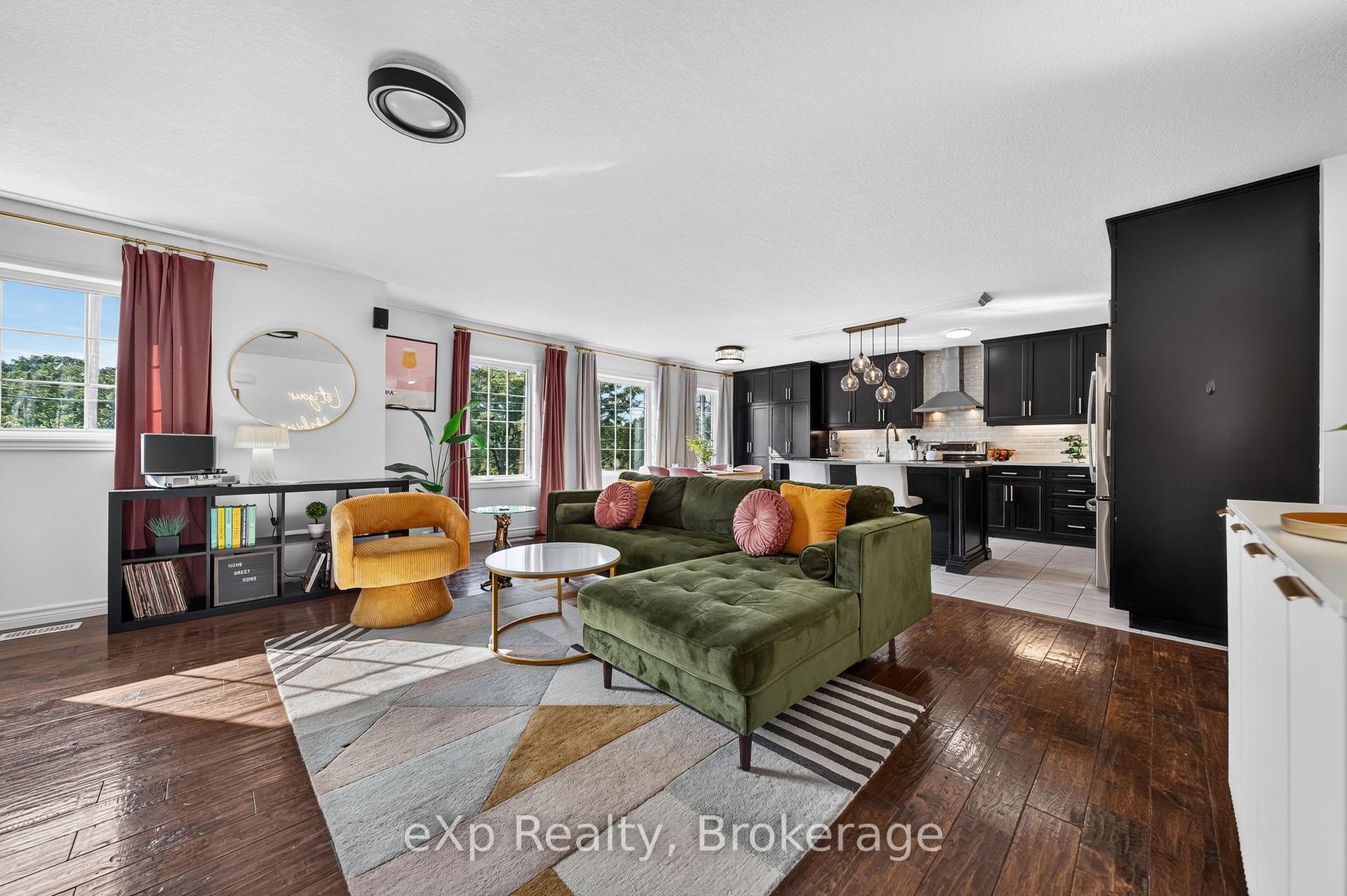
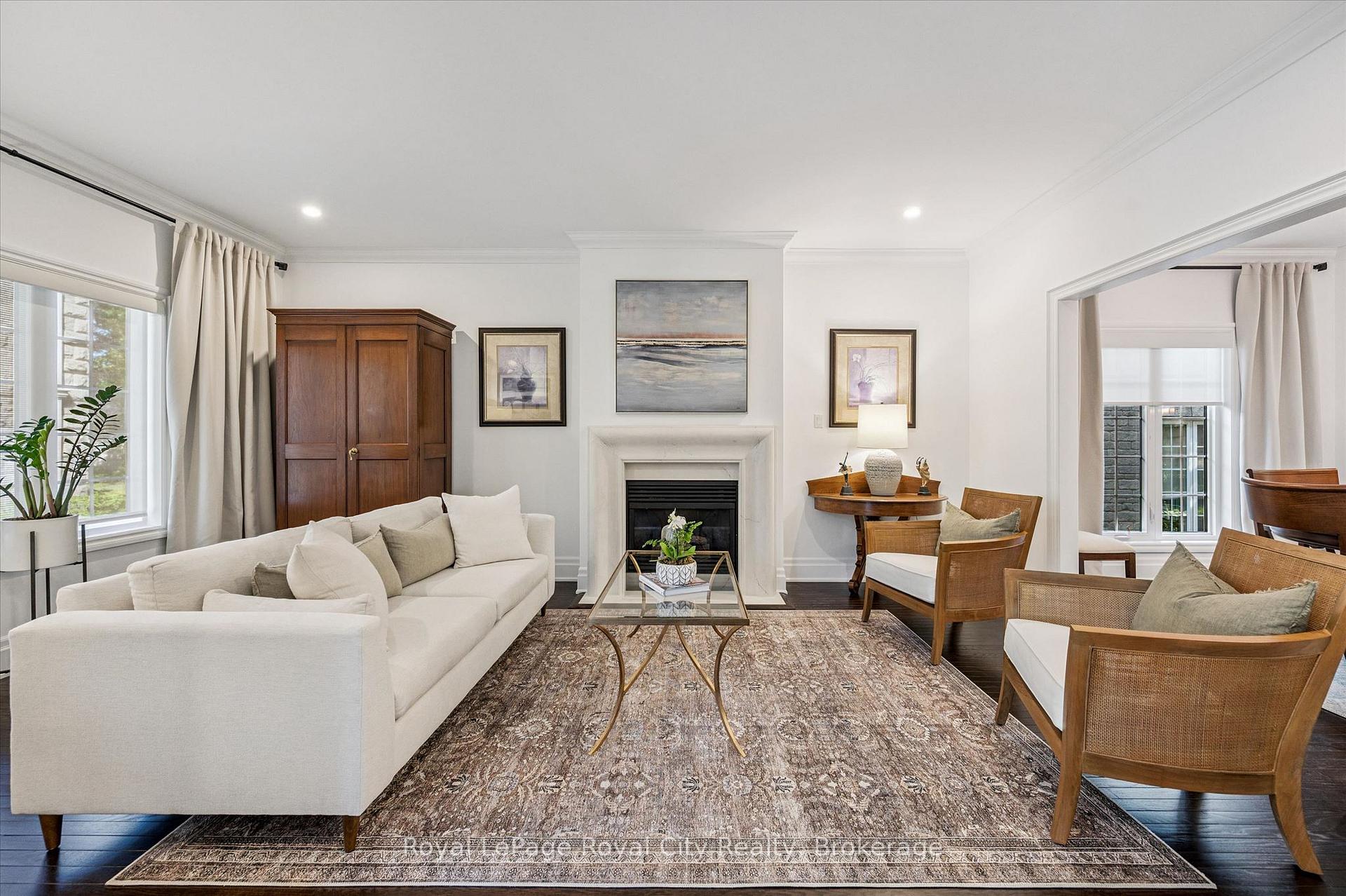
Some original houses have been expanded with additional living space, while other properties have been rebuilt or extensively redesigned to accommodate contemporary layouts and finishes.
This creates an interesting mix of housing, where a traditional bungalow may sit near a modern custom home or a carefully restored century property.
For buyers, it means there's considerable variety in both the size and style of homes available.
Old University is often grouped with Dovercliffe Park in local real estate listings under the broader Dovercliffe Park / Old University area.
While the two communities are closely connected geographically, their housing characteristics can be quite different.
The historic Old University neighbourhood is generally associated with established residential streets, mature trees, and a predominance of detached homes.
Dovercliffe Park and the surrounding residential enclaves include a wider mix of housing, including condominium townhouse communities and other developments near Water Street and the Hanlon Expressway.
For buyers searching within the broader MLS area, this distinction matters. A detached home on a mature Old University street and a condominium townhouse in Dovercliffe Park can offer very different layouts, maintenance responsibilities, and ownership costs.
Understanding which part of the area a property belongs to can help buyers make more meaningful comparisons.
Because Old University includes homes from several different construction periods, buyers should consider the age, condition, and history of each property.
Older homes may have foundations, electrical systems, plumbing, and heating equipment that have been updated at different times. Depending on the property, buyers may want to investigate previous renovations, basement conditions, insulation, and the age of major mechanical systems.
Mid-century homes may present different considerations, including original layouts, additions, basement renovations, and older building materials.
The neighbourhood's mature trees are another important feature. While they contribute to the character of the streets, buyers should consider tree health, maintenance, and potential interactions with underground services.
Parking and garage arrangements also vary. Some properties have detached garages or carports, while others offer more modern driveway configurations.
Parts of the broader Old University area fall within or near Guelph's Brooklyn and College Hill Heritage Conservation District.
Properties within a designated heritage district may be subject to specific requirements for exterior alterations, additions, or redevelopment.
Buyers considering significant renovations should confirm whether a property is designated or otherwise subject to heritage-related requirements through the City of Guelph.
These considerations are particularly important when purchasing a home with plans for substantial changes.
Old University offers convenient access to several of Guelph's well-known parks and community destinations.
Royal City Park is located along the neighbourhood's northern edge, providing access to riverside green space, walking paths, and connections to Guelph's broader trail network.
The nearby Guelph Covered Bridge and river trails make it easy to explore the Speed and Eramosa river corridors.
The University of Guelph is another defining nearby destination, with its campus, cultural facilities, and surrounding amenities contributing to the character of the area.
Downtown Guelph is also accessible from many parts of Old University, offering restaurants, independent shops, entertainment, and Guelph Central GO Station.
For buyers considering schools, current attendance boundaries and program availability should be confirmed directly with the appropriate school boards.
Old University real estate is shaped by its established housing stock, mature lots, and proximity to both downtown and the University of Guelph.
The neighbourhood includes everything from original bungalows and traditional brick homes to substantial renovated properties and custom-built residences.
Because the homes vary so widely in age, size, layout, and condition, broad neighbourhood averages don't always tell the full story.
Lot dimensions, architectural character, renovation quality, parking, and location within the neighbourhood can all influence a property's value.
It's also important to distinguish between detached homes in the historic Old University core and condominium townhouses in the broader Dovercliffe Park / Old University MLS area. Combining these property types can create misleading comparisons.
For sellers, a thoughtful pricing strategy should reflect the specific characteristics of the home and comparable properties.
For buyers, understanding those differences helps put asking prices into context and identify which homes best match their needs.
At Andra Arnold & Associates, we help buyers and sellers navigate Guelph's established neighbourhoods with local market knowledge, careful analysis, and advice tailored to each property.
Old University is located south of downtown Guelph, near Royal City Park, the Speed River, and the University of Guelph. The neighbourhood includes established residential streets such as University Avenue West, James Street West, Albert Street, Dean Avenue, and Caledonia Street.
Old University features historic brick houses, traditional two-storey homes, mid-century bungalows, sidesplits, and newer custom-built properties. The broader Dovercliffe Park / Old University area also includes condominium townhouse communities and other housing options.
Yes. Old University is located immediately west and northwest of the University of Guelph campus. Depending on the property, many university facilities and nearby amenities are accessible on foot, by bicycle, or by a short drive.
Not exactly. The two areas are often grouped together in MLS searches, but Old University generally refers to the older, established residential neighbourhood closer to the university and river, while Dovercliffe Park includes additional residential areas and condominium townhouse developments farther west.
Yes. Old University includes historic properties, and portions of the broader area are associated with the Brooklyn and College Hill Heritage Conservation District. Buyers should verify the heritage status of individual properties with the City of Guelph before planning significant renovations.
Buyers should consider the age and condition of the foundation, electrical and plumbing systems, heating equipment, previous renovations, and basement moisture management. Mature trees, parking arrangements, and any applicable heritage restrictions may also be important considerations.
Whether you're interested in a character-filled historic home, a practical mid-century bungalow, or a thoughtfully renovated property near the University of Guelph, Old University offers a wide range of possibilities.
Andra Arnold & Associates is here to help you explore the neighbourhood, understand your options, and make informed decisions about buying or selling in this established part of Guelph.
Explore Old University homes for sale or connect with our team to discuss your next move.