Everything you need to know about moving to Downtown Guelph: heritage limestone streets, condo and century-home living, and why this is the most walkable address in the city.
Your Complete Neighbourhood Guide · Updated August 2026
the year Guelph was founded by John Galt, whose surveyor plotted a series of large public squares that still shape downtown's street pattern today, one of Ontario's earliest examples of deliberate town planning. A Business Improvement Area-led revitalization, including the Old Quebec Street redevelopment, has kept the core active without erasing its 19th-century limestone character.
Downtown Guelph's condo and townhouse stock generally offers a more accessible entry point than the city's freehold-heavy suburbs, though heritage century homes on the core's best streets can command a real premium. Buyers relocating to Ontario should budget for the province's Land Transfer Tax on top of the purchase price, and condo buyers should factor monthly maintenance fees into their overall cost comparison.
Category | Downtown Guelph | Guelph Overall |
|---|---|---|
Average Sale Price (Q4 2025) | ~$800,000 | ~$789,000 |
Median Sale Price (Q4 2025) | ~$779,000 | ~$760,000-$777,000 |
Ontario Land Transfer Tax | Applies (rebate for first-time buyers) | Same across the city |
Unemployment Rate | 7.6% (Guelph, July 2026) | ~6.9% (national) |
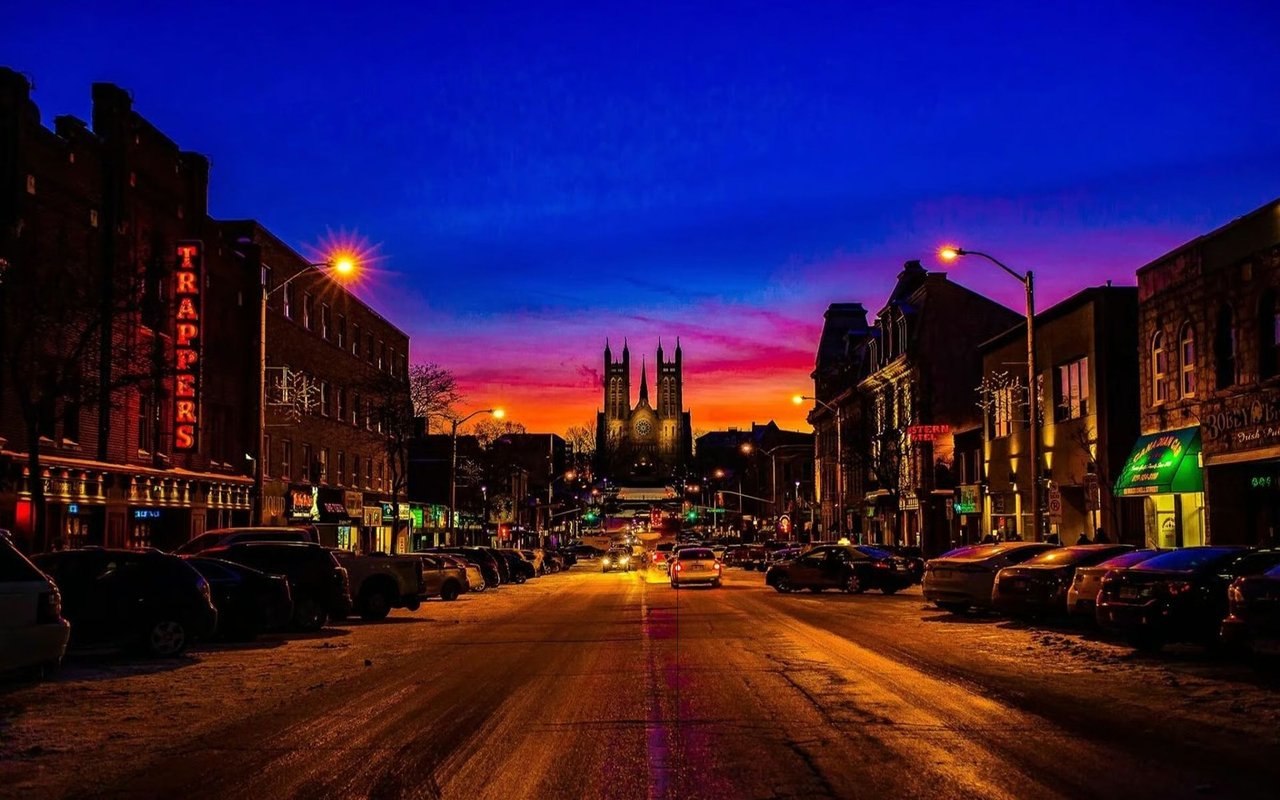
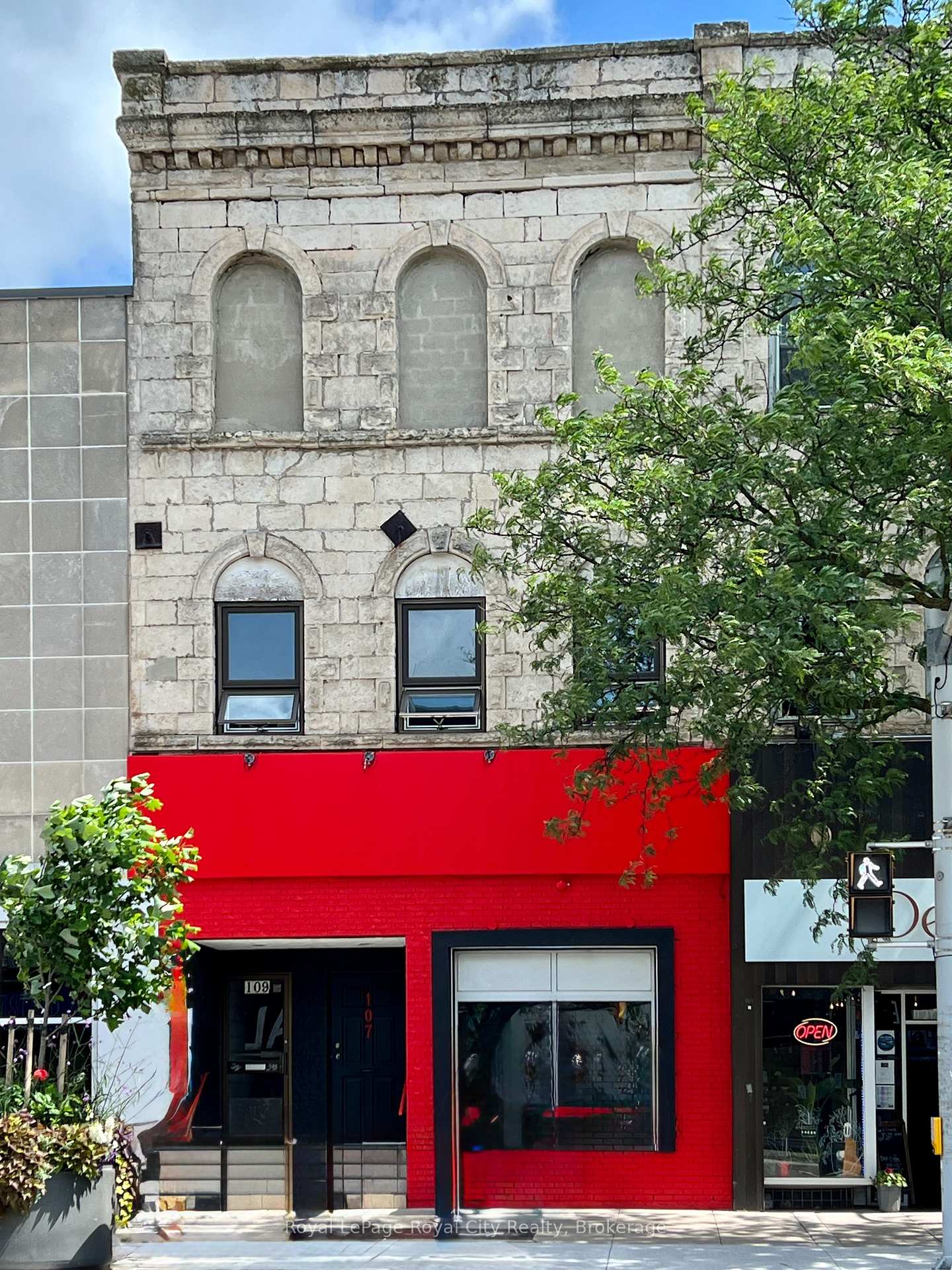
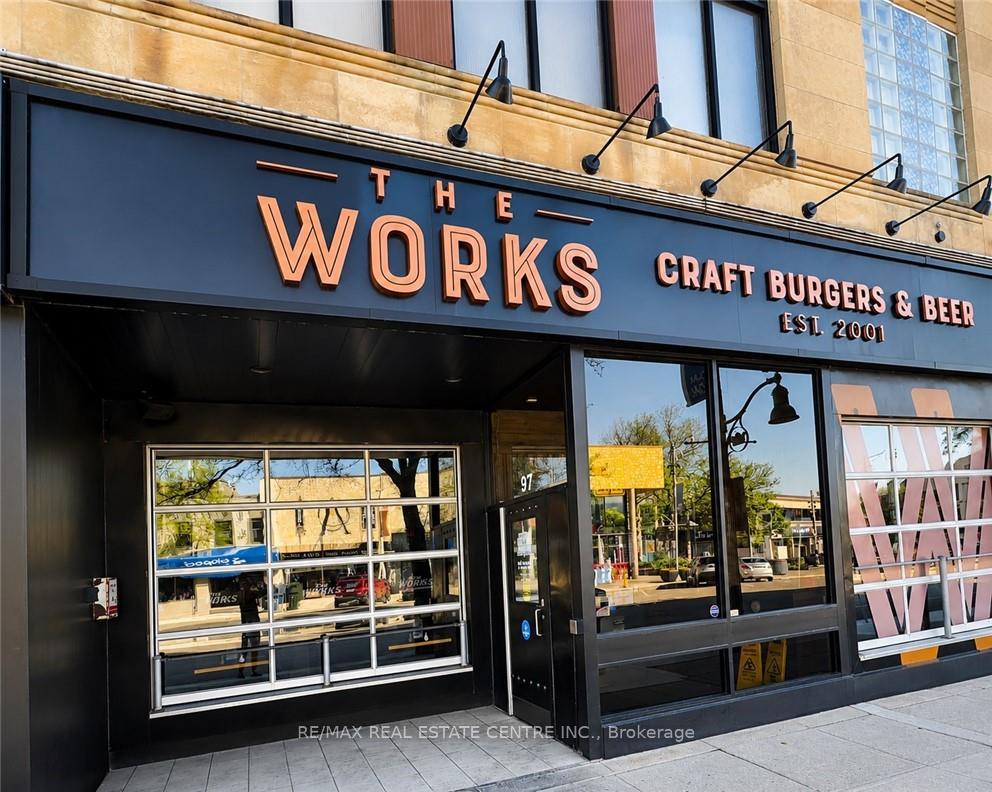
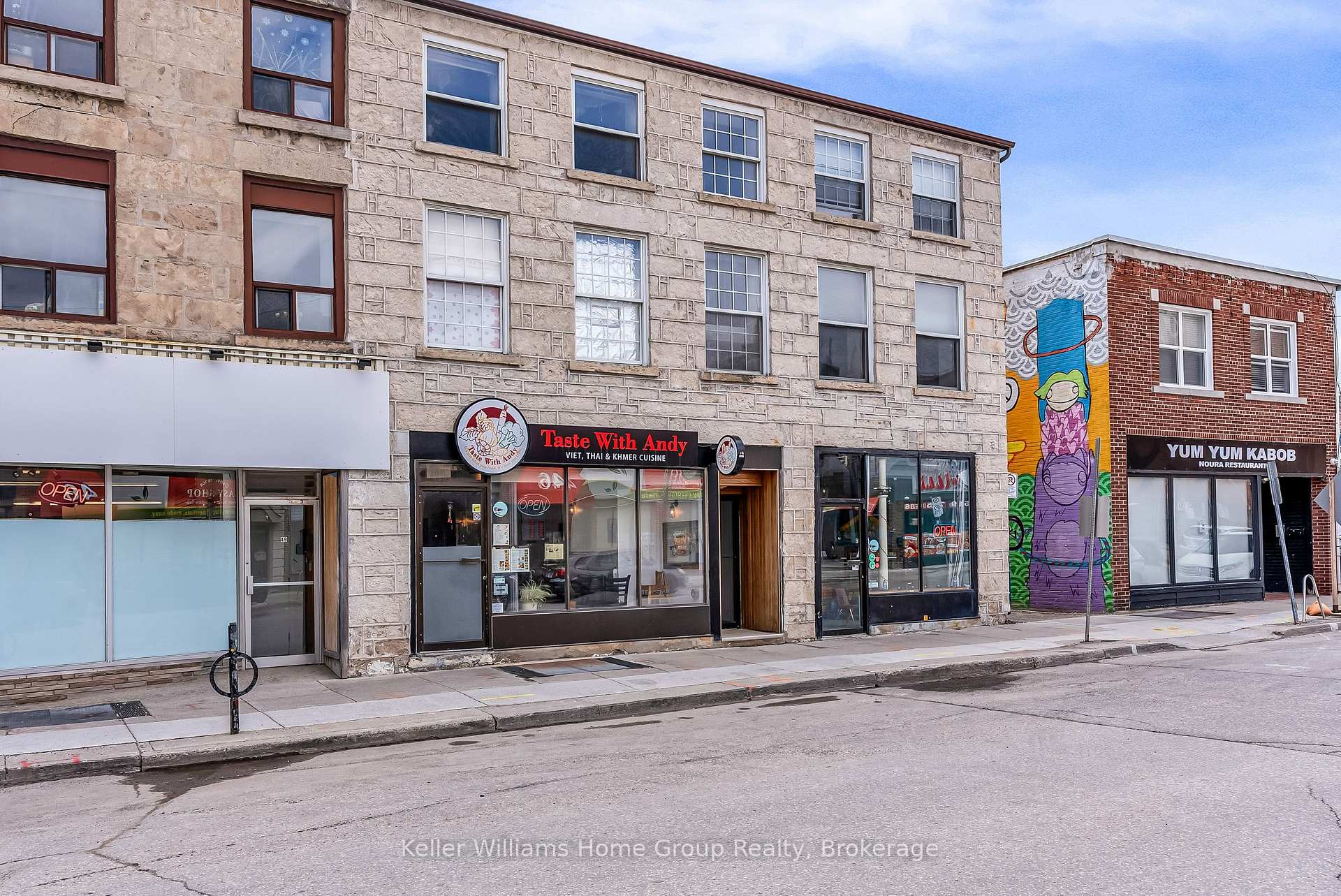
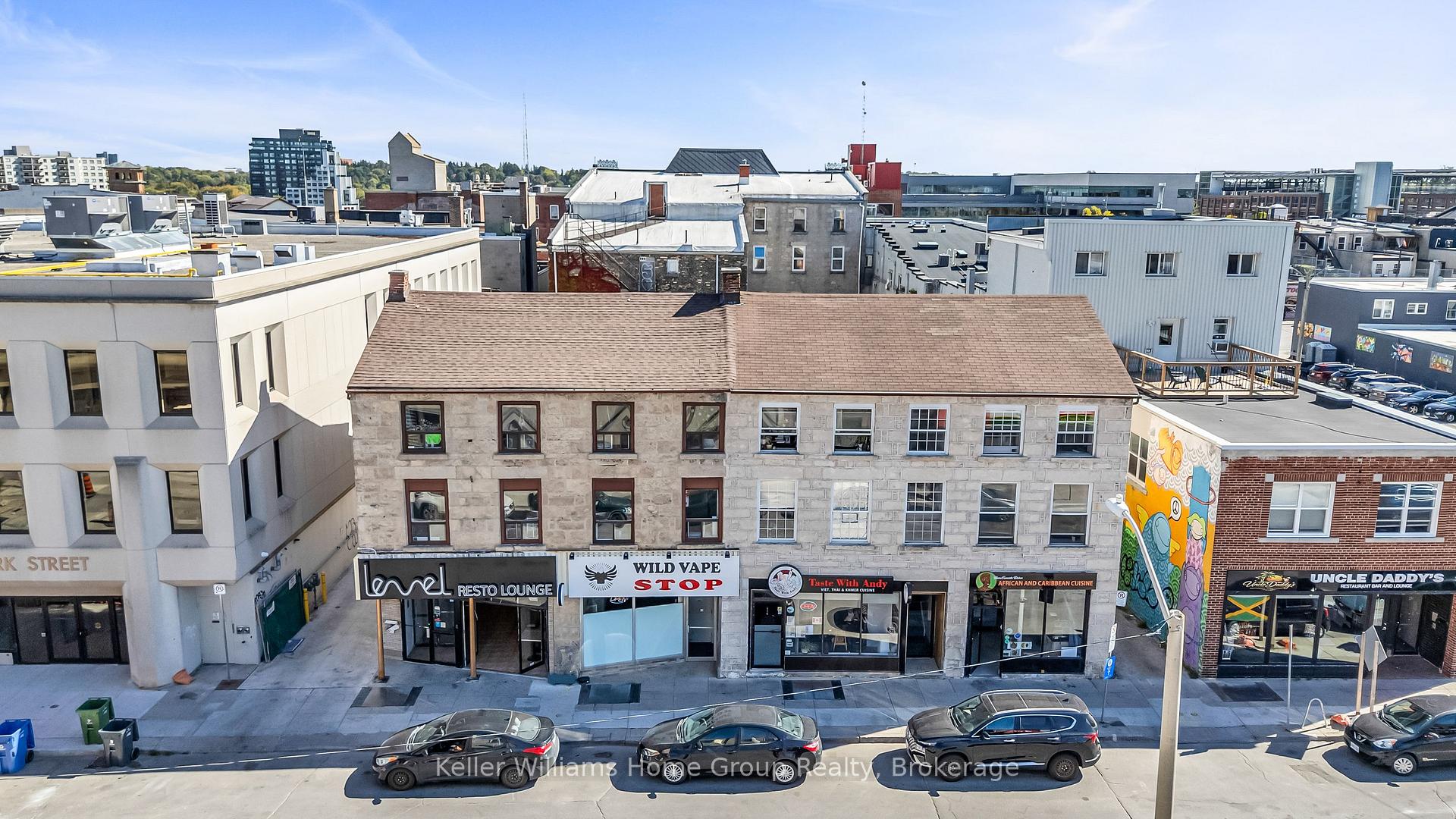
Downtown Guelph is bordered roughly by Wellington Street E to the south, Woolwich Street to the east, Dublin Street to the west, and Norwich Street to the north. It's known for its distinctive limestone architecture, and many of the city's historically designated properties sit in or near the core. This is Guelph's largest concentration of retail, dining, financial services, entertainment, healthcare, and professional services.
Heritage limestone and brick homes, some over a century old, prized for original woodwork, hardwood floors, and architectural detail on some of downtown's most prestigious streets.
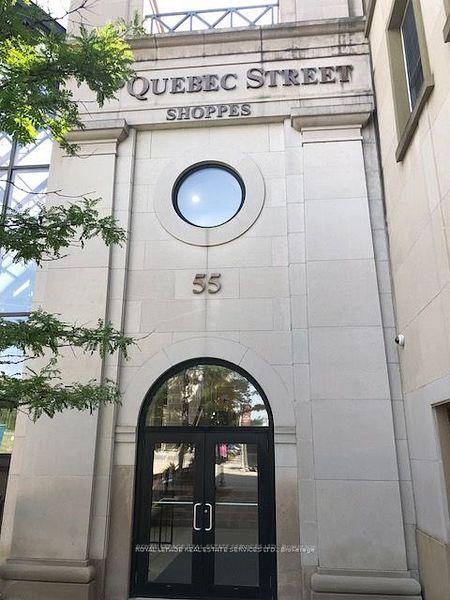
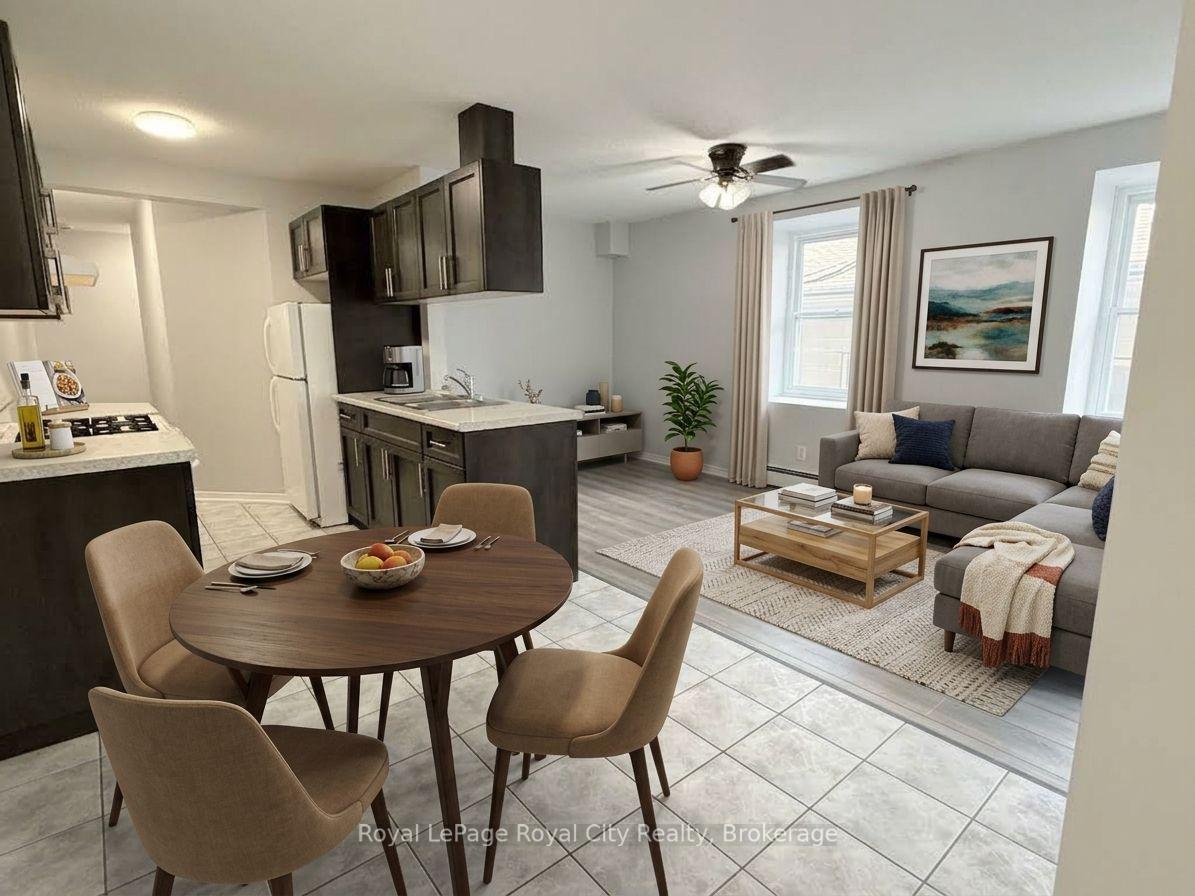
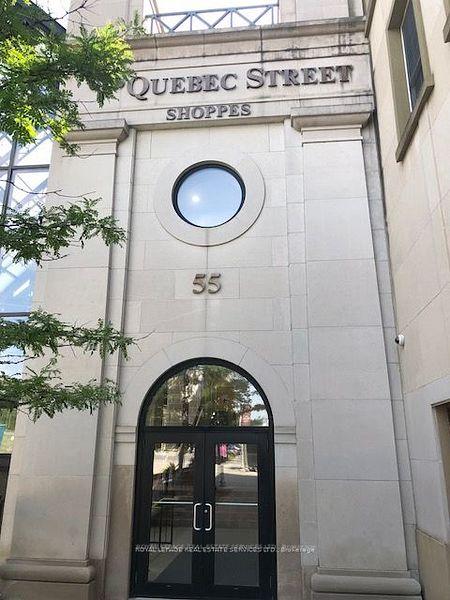
Newer buildings and heritage conversions offering low-maintenance living, with some units featuring exposed concrete ceilings, oversized windows, and rooftop amenities.
A Business Improvement Area redevelopment that has brought new retail and street-level activity to the core over the past two decades.
Downtown Guelph shares the same humid continental climate as the rest of the city, with cold, snowy winters and warm, comfortable summers. Being car-free downtown is genuinely more practical in winter here than in most Guelph neighbourhoods, since most daily errands are within walking distance.
66
958mm
~150cm
Downtown Guelph is home to the city's largest concentration of financial services, healthcare, and professional offices, including law and medical practices, alongside its retail and dining core. Many downtown residents work within walking or cycling distance, while others commute to the University of Guelph or the wider region.
Downtown Guelph skews toward professionals, downsizers, students, and investors more than young families, so school catchment tends to weigh less heavily in a downtown purchase decision than it does in a suburban Guelph neighbourhood. Central Public School, part of the Upper Grand District School Board, serves much of the downtown core, with Wellington Catholic District School Board options also nearby.
Downtown Guelph earns some of the city's strongest walkability scores, with wide sidewalks, connected bike lanes, and multiple Guelph Transit routes converging in the core. Guelph Central Station, right downtown, offers both GO Transit and VIA Rail service toward Toronto and beyond, a genuine advantage over most other Guelph neighbourhoods.
Wellington Street, Wyndham Street, and Woolwich Street all feed directly into downtown, though weekday street parking can be limited; most downtown residents rely on walking, cycling, or Guelph Transit for daily trips.
Statistics Canada measures crime using the Crime Severity Index (CSI), which weights both the volume and severity of police-reported incidents. Guelph's citywide CSI has generally run below the Ontario and national averages. Like most Canadian downtown cores with a busy nightlife and entertainment scene, the area around bars and event venues can see more late-night activity on weekends than quieter residential neighbourhoods.
Measure | Guelph (2025) |
|---|---|
Crime Severity Index (Citywide) | 57.8 |
Nearly everything that defines Guelph's cultural life is concentrated within a few walkable downtown blocks.
According to the Toronto Regional Real Estate Board's Q4 2025 community report, Downtown Guelph posted an average sale price of roughly $800,000 and a median of roughly $779,000, broadly in line with the city overall. Citywide, condo and apartment prices have fallen further than detached homes over the past year, which has made downtown's lower-maintenance units meaningfully more accessible than they were during the market's peak.
Whether you're searching for a condo, a century home, or an investment property downtown, a few details matter more here than in Guelph's suburban neighbourhoods.
Explore Other Neighbourhoods
Sources & References
All information is deemed reliable but not guaranteed and should be independently reviewed and verified.
Andra Arnold & Associates specializes in helping buyers and sellers navigate real estate across Downtown Guelph and throughout the city. Whether you need an agent who knows every heritage street and condo building or an experienced team that can find the right property for your goals, we are here to help.